
Memory foam or latex pillows: comparing the feel
Memory foam tends to contour gradually; latex tends to spring back more readily.

Bedding & Home Textiles Editor
Clear comparisons, thoughtful materials and bedding that earns its place.
Memory foam tends to contour gradually; latex tends to spring back more readily.

An all-seasons duvet usually combines two layers you can use separately or fasten together.

A pillow protector adds a removable layer between the pillowcase and filling.

A nightly cost needs a stated wattage, running time and electricity rate.
With an electric underblanket, the installation instructions come before fabric preference.

A child’s pillow needs more care than choosing a smaller adult design.

A deeper topper adds more material between you and the mattress.

A topper adds a layer that can change both cushioning and warmth.
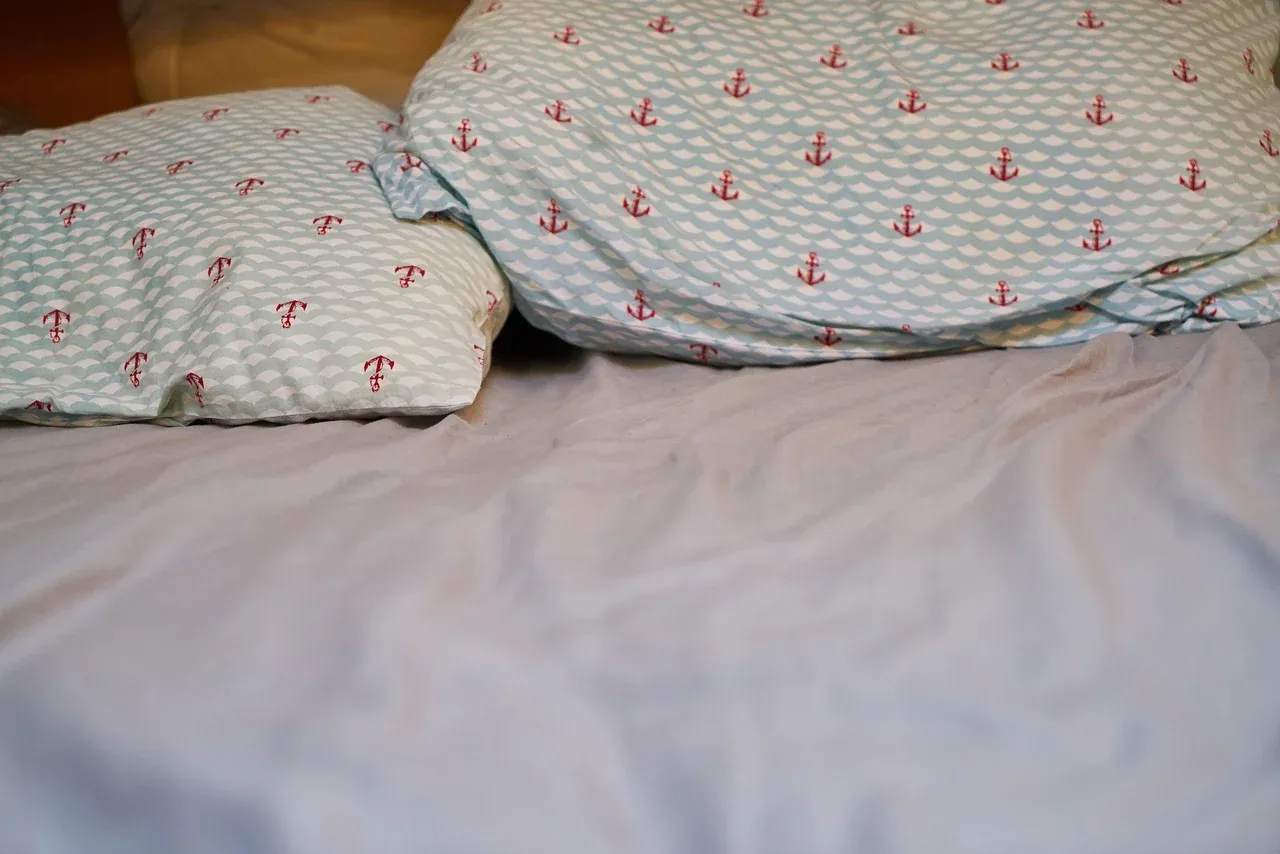
An adjustable pillow lets you change the fill in small amounts.

Talalay and Dunlop describe latex production methods, not a complete firmness specification.
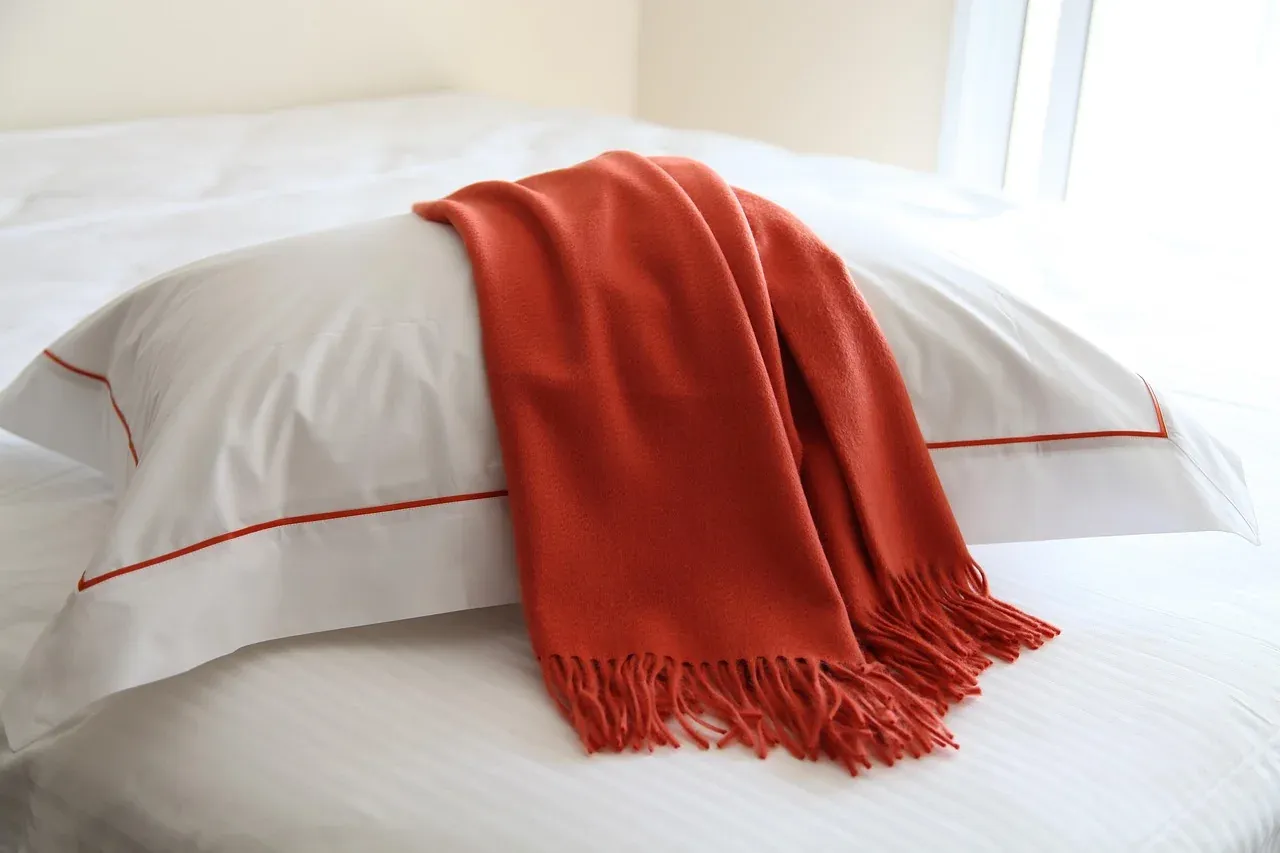
Fitted sheets make bed-making quick; flat sheets give you more flexibility over the tuck.
Weave changes how a cotton sheet feels, but it does not tell you everything about quality.

The useful checks start before the blanket warms up.

Wool and down offer different weights and drapes, even when both feel comfortably warm.

Thread count is one detail on a sheet label, not a quality score.
Silk duvets can offer a lighter, flatter feel than loftier fillings.

Your pillow and mattress work together.
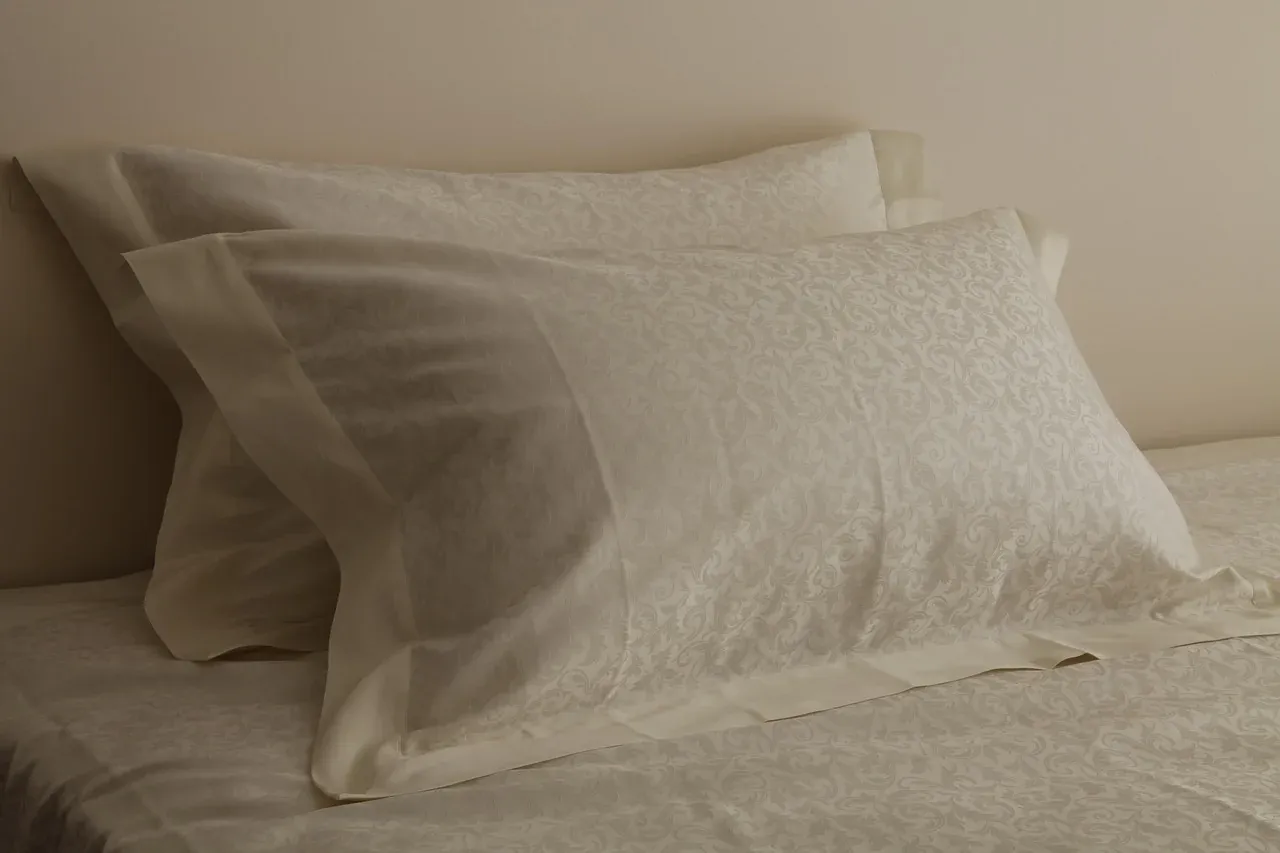
A deep-pocket label is only useful if the sheet fits your whole bed.

A “cooling” label does not remove a weighted blanket’s extra layer.

Measure the finished bed, including a topper and protector, before shopping for deep fitted sheets.

A bed pillow can affect where a CPAP mask or hose rests.

Thickness changes a topper’s feel, but material and firmness matter too.

Tog makes duvet warmth easier to compare, but it does not set a temperature for your bed.

A taller pillow is not the same as raising the head of a bed.

A new pillow’s smell can be unpleasant, but smell alone is not a safety test.

Waterproofing, moisture-vapour transfer and surface softness are separate things to compare.
The right weighted blanket is not settled by multiplying body weight.

Tog describes a duvet’s resistance to heat loss.

An all-seasons set offers two layers you can join together.
There is no universal layer order for memory foam and electric blankets.

Duvet and mattress sizes are different measurements.

An electric blanket’s running cost depends on power, time and your own tariff.

“Anti-allergy” can describe different product features, so ask what has been tested.

A duvet cover changes the surface feel and adds another fabric layer.

A child’s weighted blanket needs an individual safety assessment, not a shopping-chart calculation.

A pillow’s condition is more useful than its birthday.

When you lie on your side, the pillow surface can press against the outer ear.

A high pillow can feel awkward when you sleep on your front.

A body-weight chart cannot establish whether a weighted blanket is suitable for you.

Look at a duvet’s condition before replacing it on a timetable.

Shoulder discomfort can make finding a comfortable bed position difficult.

Compatibility depends on both the mattress and the electric blanket.

A well-loved bed can still be easy to freshen up when pets share the room.

For a warmer sleeper, start with the duvet’s warmth rating and overall construction.

“Hypoallergenic” is a claim to examine, not a guarantee of symptom relief.

For sensitive skin, start with how the fabric feels and how easily you can wash it.
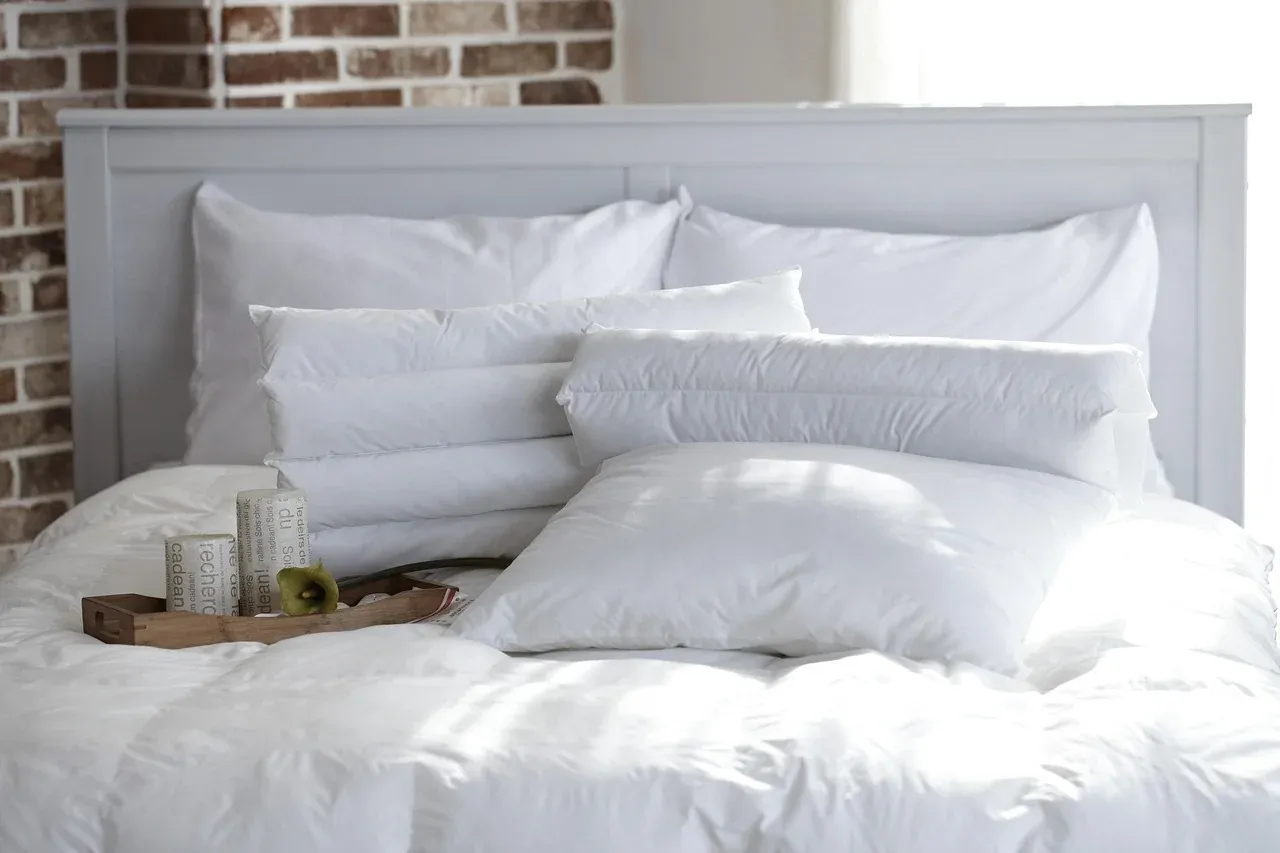
Latex and memory foam change a mattress surface in different ways.
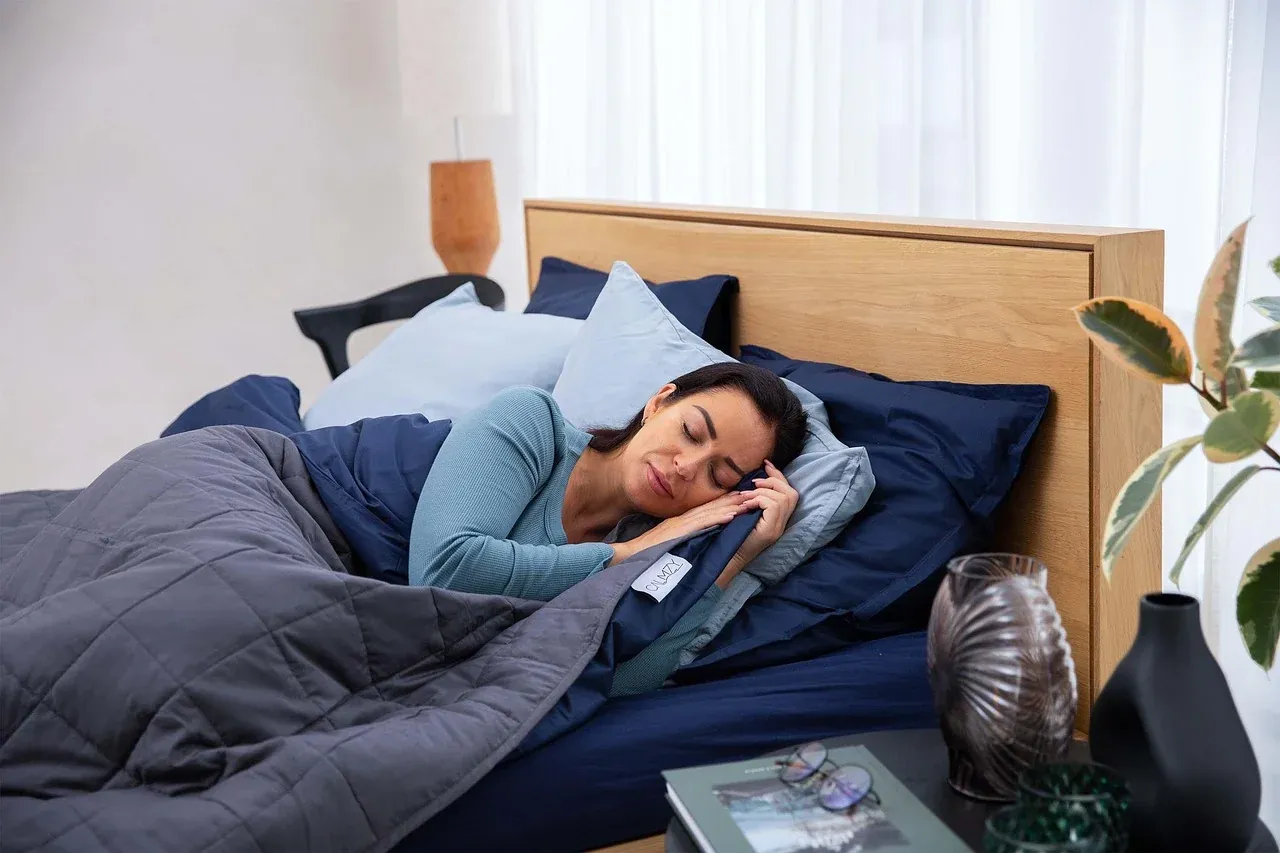
A waterproof protector adds another layer between you and the mattress.

Percale usually has a crisp, matte feel; sateen feels smoother and has more sheen.

Bamboo and lyocell describe fibre choices; sateen describes a weave.

A child’s age alone cannot tell you which duvet tog to buy.

A pillow can change comfort at the head and neck; it is not a migraine treatment.

A side-sleeping pillow needs to work with how far your shoulder sinks into the mattress.

A contour pillow adds a shaped surface; a flat pillow gives you more freedom over head position.

A winter humidity reading makes more sense alongside room temperature and signs of condensation.
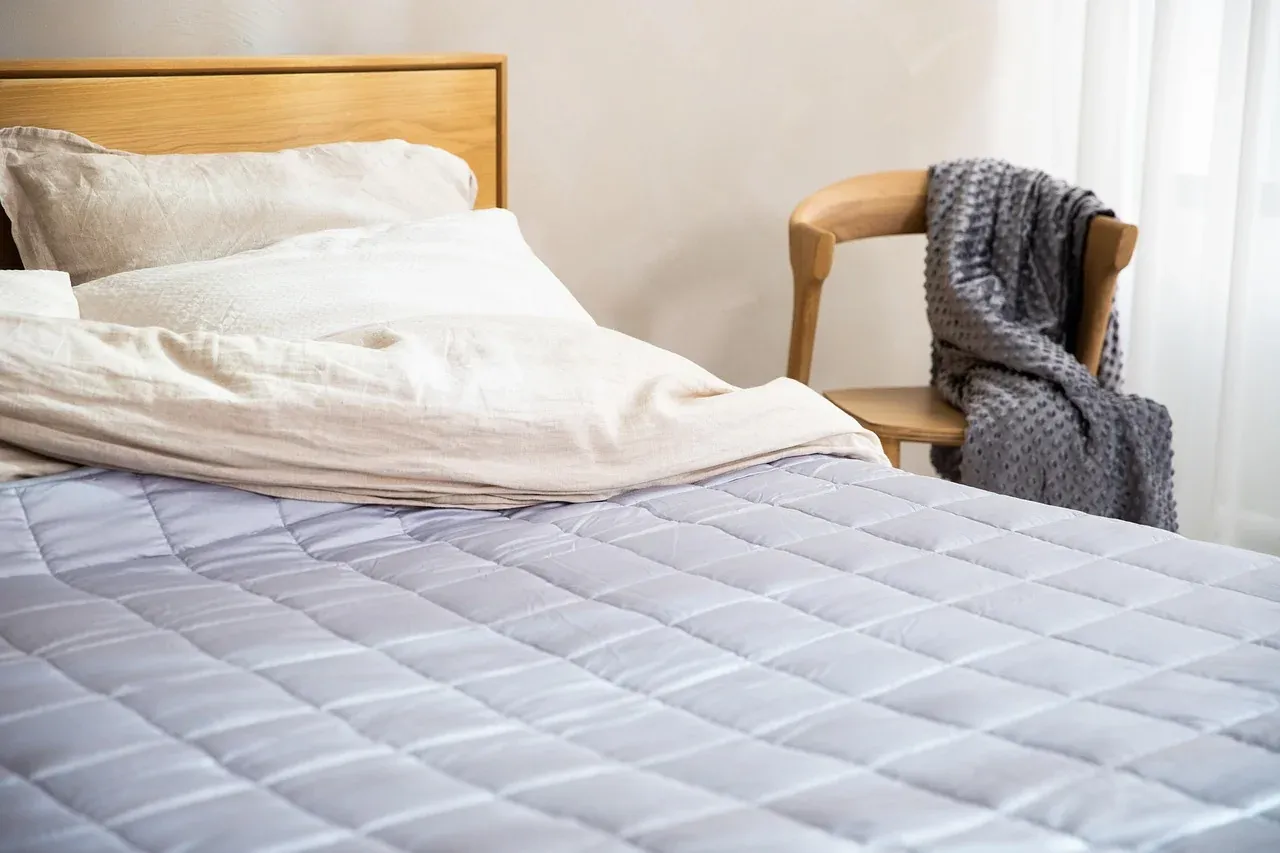
A fitted protector covers the top and sides; an encasement closes around the whole mattress.