
Bedding
The layers that make your bed feel right.
Explore bedding
An independent guide to a more comfortable home
Thoughtfully considered bedding, practical buying guides and a little inspiration for the room that matters most.
01 / Curated essentials
The layers that make your bed feel right.
Explore bedding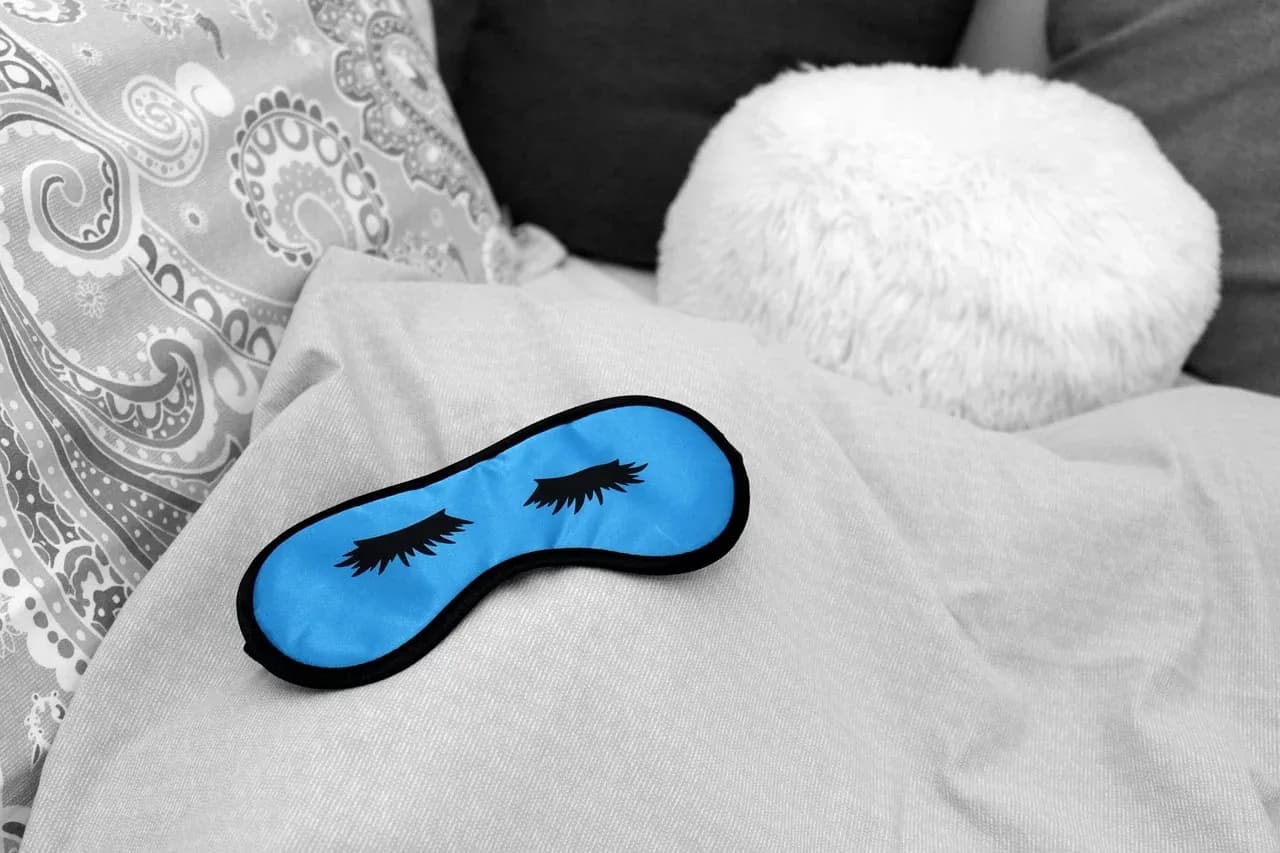
Small comforts for your wind-down routine.
Explore sleep accessories
A more comfortable room, season after season.
Explore sleep technologyA little more to explore
The Best Bedding edit
Explore bedding and sleep essentials selected using Amazon’s recent purchase estimates and customer reviews.
Explore all top picksAs an Amazon Associate, we earn from qualifying purchases. How our links work

Sleep masks
Black
Check current price
View on Amazon
Sleep earplugs
Black
Check current price
View on Amazon
Mattress protectors
Single(90x 190+30cm) · polycotton
Check current price
View on Amazon
Electric blankets
Double
Check current price
View on Amazon
Air purifiers
White
Check current price
View on Amazon
Dehumidifiers
White 12l/Day + Laundry Mode
Check current price
View on Amazon
The considered edit
Warmth, filling and care: understand the details before choosing your next duvet.
Read the duvet guideWhy Best Bedding?
Recommendations need a clear rationale, relevant comparisons and honest limitations. Research must be distinguished from documented hands-on testing.
Read about our approach02 / From the journal
Understanding grams per square metre (GSM) on bedding labels helps you interpret fabric weight without assuming it equals quality or warmth. This guide explains how GSM differs fro
Understanding the difference between base valances and fitted valances is key to choosing the right bedding for your bed base. This guide explains how each type fits and what to lo
A balanced comparison of button, tie, and zip fastenings for duvet covers, focusing on usability, style, and practical considerations without making unsupported claims about longev

Percale usually has a crisp, matte feel; sateen feels smoother and has more sheen.
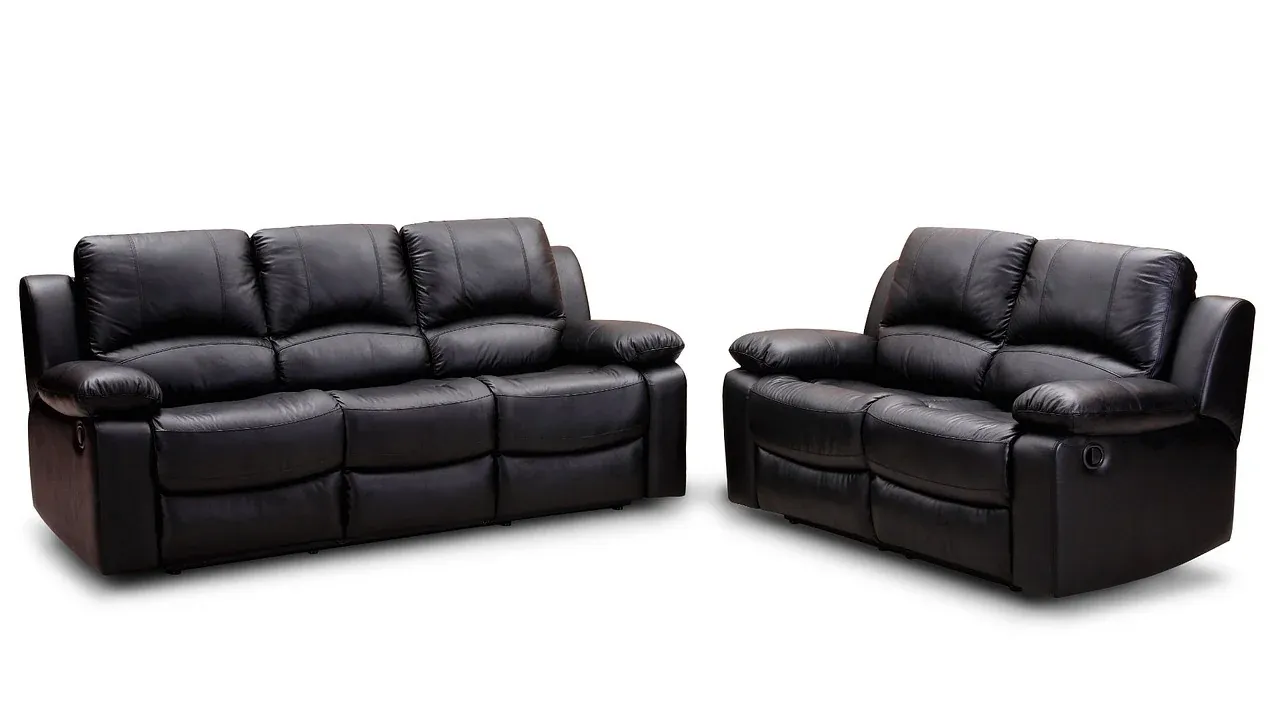
A cosy throw is only a good sofa companion if both products allow the combination.
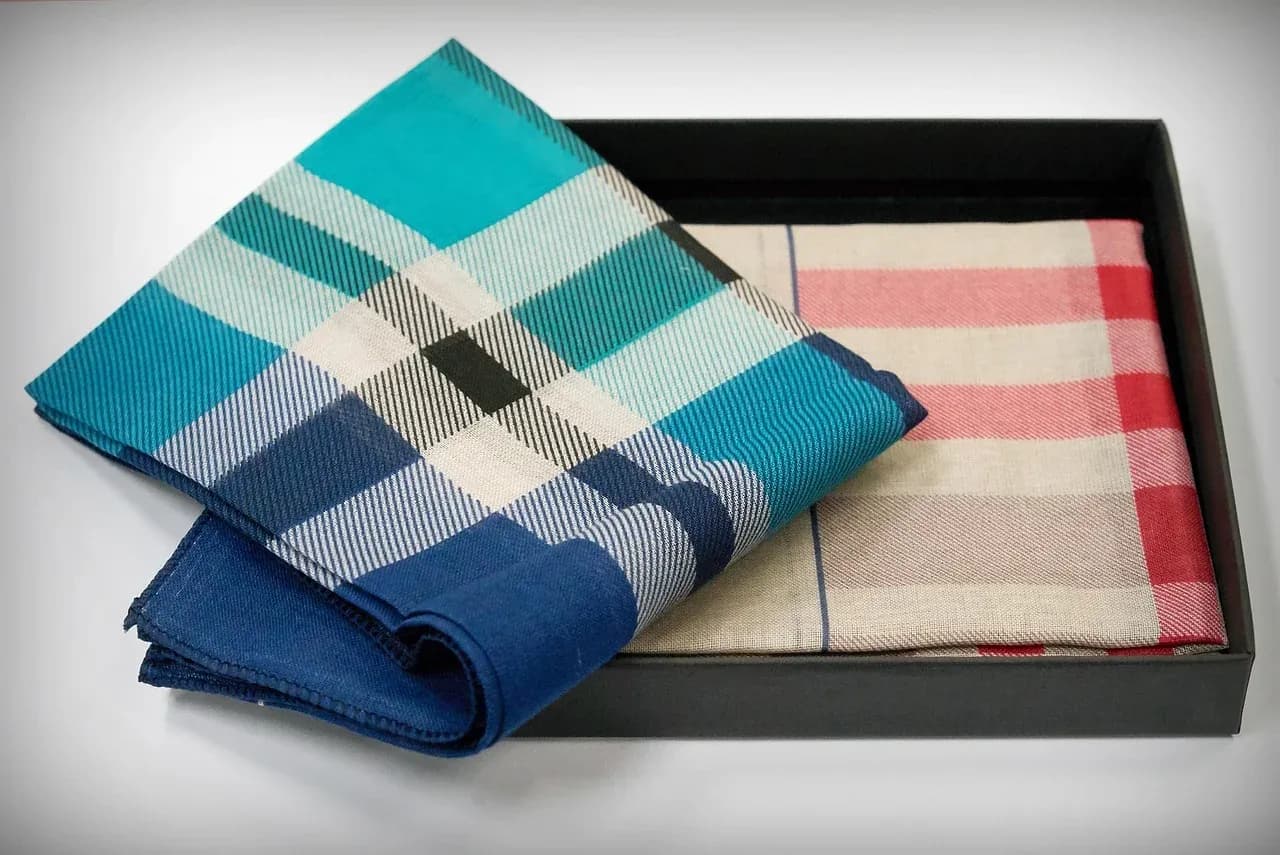
Flannel and brushed cotton can overlap on a pyjama label.
03 / Make an informed choice
Find the best bedding in the UK for your home, starting with warmth, fit and care. Our guides bring together duvets, pillows, sheets, toppers and the details that make a bedroom feel more comfortable.
Whether you prefer lighter bedding, extra layers or different arrangements on each side of the bed, explore the topics here and follow the links for a closer look.
Start with the warmth you want from your bedding, the temperature of your room and how you like a duvet to feel. Compare lighter 4.5 tog options, midweight 7–10.5 tog duvets and warmer 13.5 tog designs rather than treating a season alone as a buying rule. An all-seasons set gives you separate layers to combine or use individually.
Down, microfibre, wool and silk offer different constructions and care requirements. Look at filling, casing, dimensions and washing instructions together, especially if you share a bed or prefer different levels of warmth.
Pillow height, often called loft, matters as much as the filling. Your sleeping position, shoulder width and mattress all influence how a pillow feels: compare the actual height and firmness instead of choosing by a side-, back- or stomach-sleeper label alone.
Memory foam, latex and adjustable shredded fillings provide different shapes and responses. Adjustable designs let you alter the amount of fill, while removable covers can make care simpler. Check dimensions, cleaning instructions and return conditions before deciding; a pillow description is not a guarantee of pain relief.
Sheets change the feel of the whole bed. Compare cotton percale and sateen, linen and other declared fibres by composition, weave, fabric finish and care requirements. Thread count is one specification, not a complete measure of quality or comfort, and a fabric label alone cannot tell you how cool a sheet will feel.
Measure your mattress, including any topper, before choosing a fitted sheet. Match the pocket depth and dimensions to the bed, and check shrinkage and washing information. A well-fitting sheet and a manageable care routine are useful starting points in every season.
A mattress topper adds another layer to the surface of your bed. Compare memory foam, latex and other fillings alongside thickness, dimensions and the condition of your existing mattress. A thicker topper is not automatically a better choice, and a topper should not be presented as a repair for a worn-out mattress.
Look at the cover, fastening method and cleaning instructions, then check whether the extra depth will fit your sheets and protector. For cooling or support claims, examine the construction and evidence rather than relying on the product name.
A fitted mattress protector and a full encasement cover different parts of a mattress. Compare the coverage you need with the stated fabric, barrier construction and pocket depth. Waterproofing, breathability and allergy-related claims describe different features, so check the specification and supporting information for each.
Cotton, bamboo-derived fibres and polyurethane membranes may appear in different layers of the same product. Read the full composition and care label rather than assuming one named material explains the whole design. Ease of washing and drying matters alongside fit.
Weighted blankets require a different decision from ordinary bedding. Compare dimensions, filling, cover fabric and cleaning requirements, but do not use a body-weight percentage alone to decide whether a blanket is suitable. Cooling fabrics and extra weight do not establish a sleep or therapeutic benefit.
The Royal College of Occupational Therapists recommends an individual risk assessment and explains that evidence for benefits is limited. Check the manufacturer’s instructions and seek appropriate professional advice about suitability, particularly for children or anyone with health or mobility concerns.
Electric underblankets, heated mattress covers and heated throws have different intended uses. Check which type you are comparing, its dimensions and controls, and whether it is compatible with your mattress and bedding. A timer or safety mark does not replace reading the instructions for the particular product.
Running costs depend on wattage, heat setting, time in use and your electricity tariff, so avoid treating a fixed pennies-per-hour claim as universal. Follow the manufacturer’s use, washing and storage instructions, and inspect heated bedding for wear or damage.
Humidifiers add moisture, dehumidifiers remove it and air purifiers filter air; they are different appliances rather than interchangeable ways to improve a bedroom. Start with the room conditions and the problem you are trying to address instead of assuming that every home needs one of each.
Compare stated room coverage, noise information, controls and upkeep. For air purifiers, examine filter specifications and replacement costs; for humidity appliances, check output or collection figures, tank access and cleaning instructions. Product features should not be treated as a promise to resolve allergy symptoms or improve sleep.
Small accessories offer another way to tailor your evening routine. With earplugs, compare fit, attenuation information and cleaning or replacement instructions. For sleep masks, look at light coverage, eye-cup shape, strap adjustment and fabric rather than assuming that every blackout design will feel the same.
For pyjamas, compare cotton, bamboo-derived fibres, modal and other declared materials alongside cut, garment measurements and washing requirements. Comfort is personal: these guides explain the differences so you can make a more informed choice, without promising that a particular accessory will make you sleep more deeply.