
H13 or H14: which air purifier filter should you choose?
A higher filter class does not automatically mean a better bedroom purifier.

Sleep Environment & Comfort Writer
Practical ideas for temperature, light, noise and a more comfortable bedroom.
A higher filter class does not automatically mean a better bedroom purifier.

A small gap near the nose can let in more light than you expect.
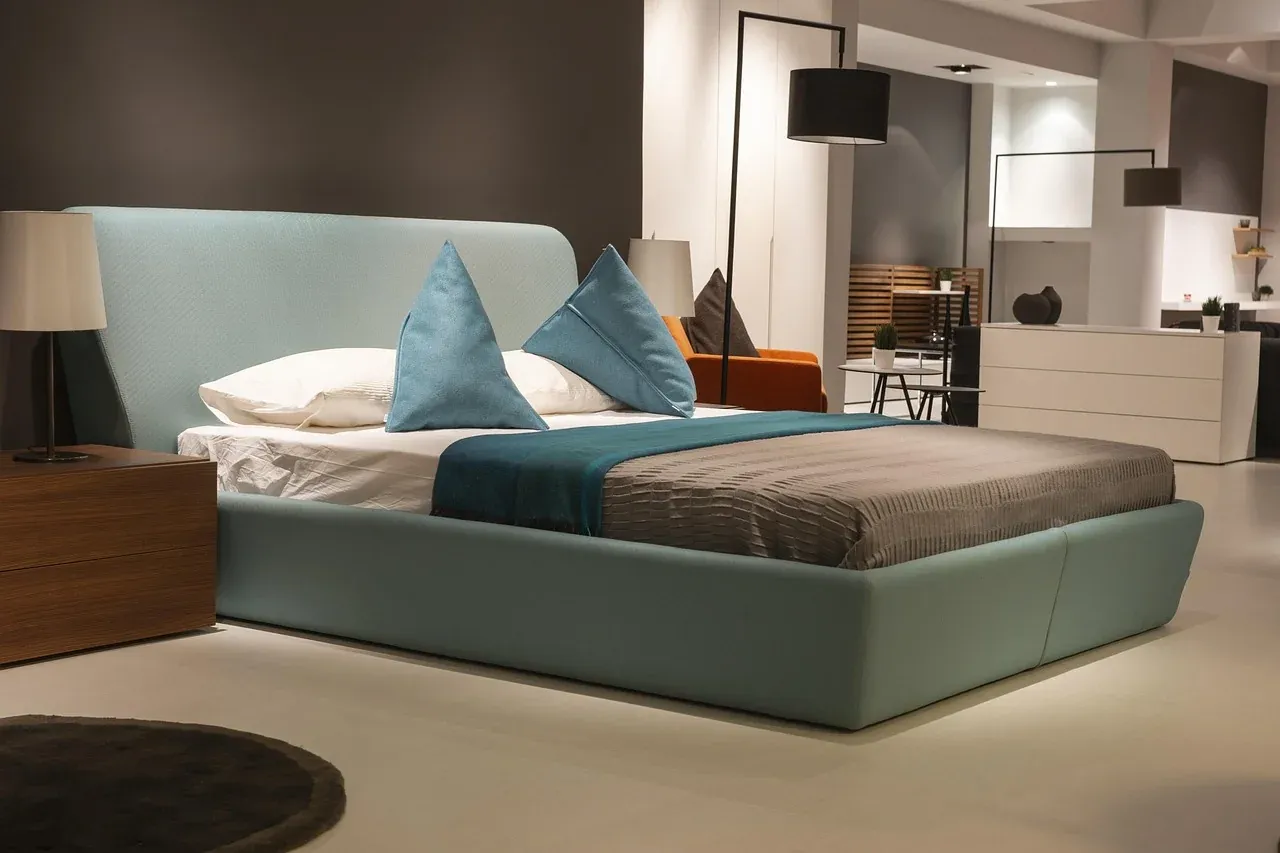
The pillow can change how an earplug feels once you lie down.

Place a dehumidifier where it can draw air freely and remain stable, following its required clearances.

White dust is a reason to check water quality and the humidifier’s instructions.
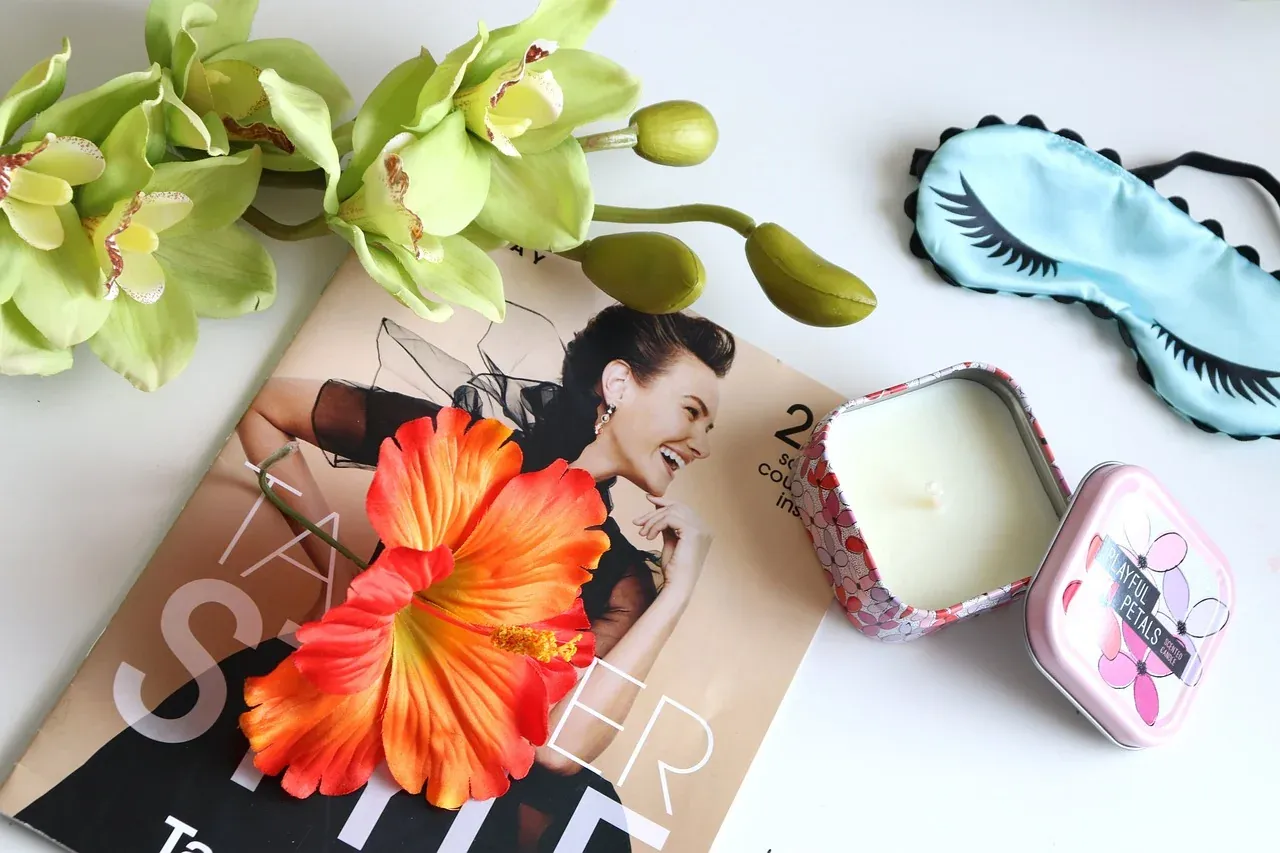
Silk and cotton give a mask different surface feels, but fabric is only part of the fit.
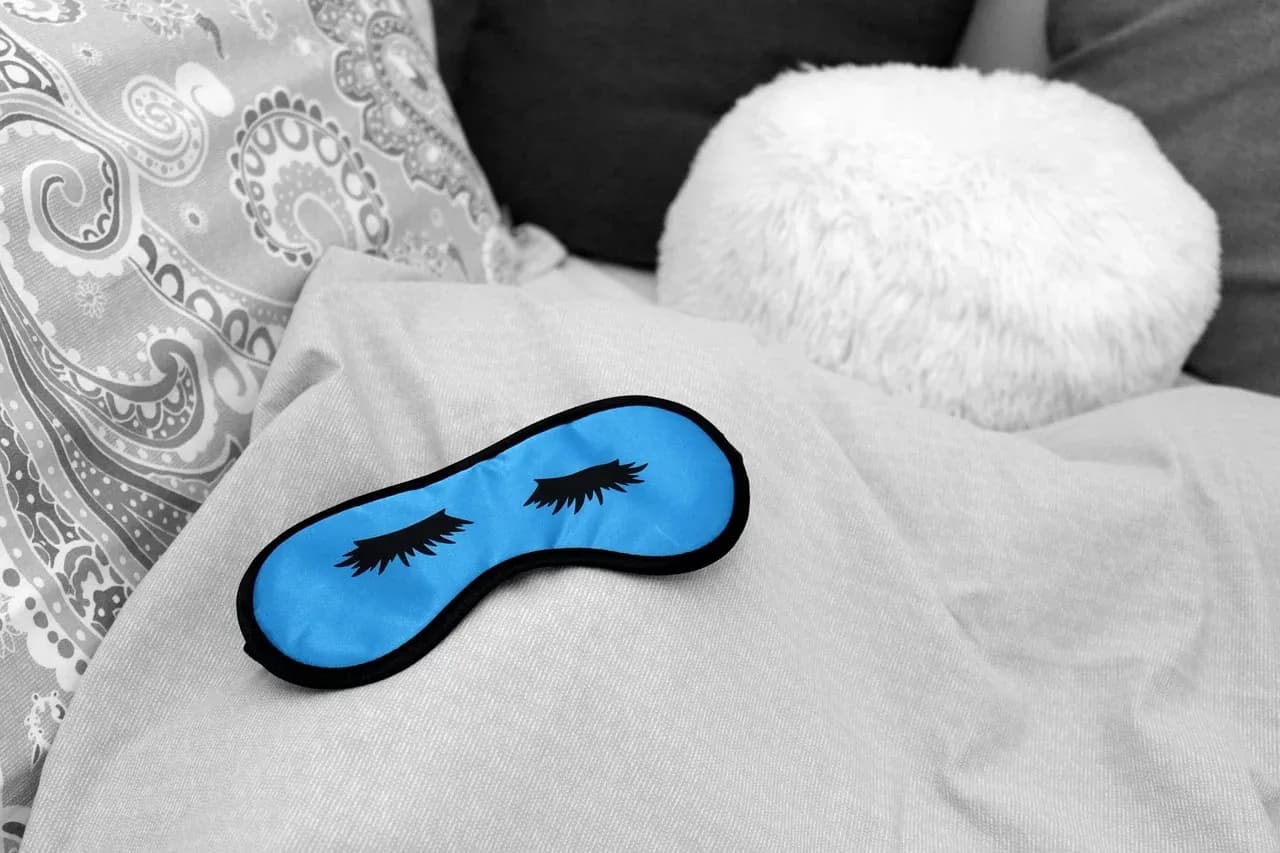
A sleep mask may fit sitting up and shift when you meet the pillow.
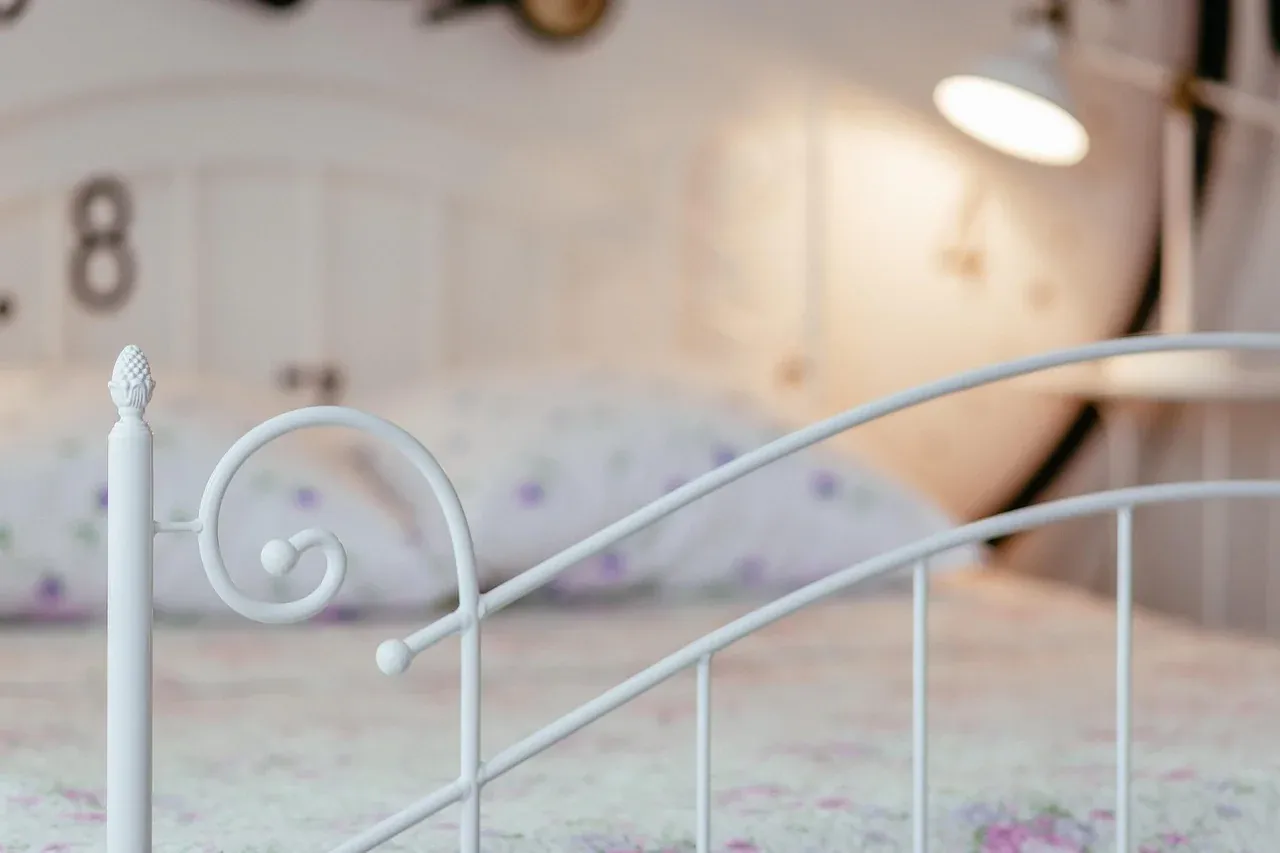
Sheets are one part of the warmth you feel in bed.
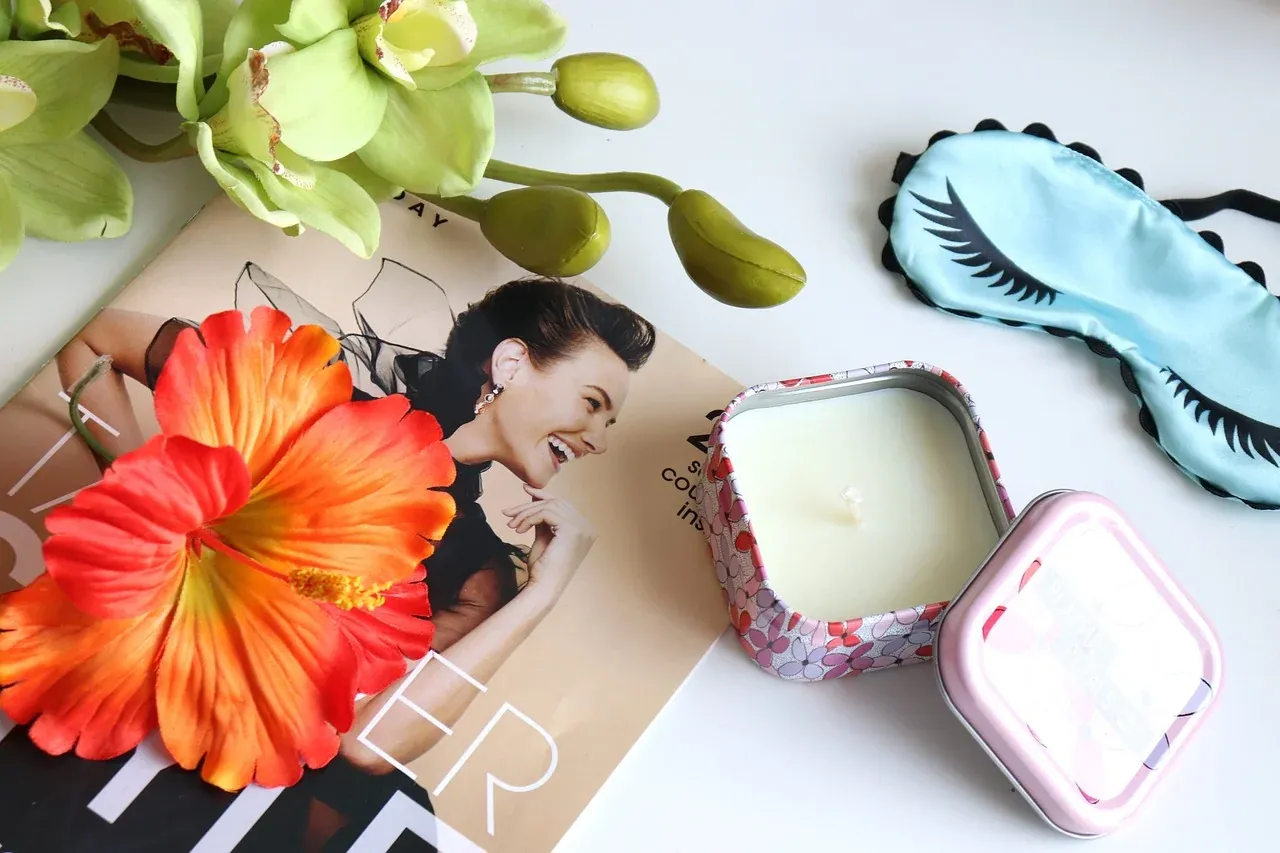
A mask’s care depends on its fabric, padding and construction.

A CADR calculation turns room measurements into a useful comparison figure.
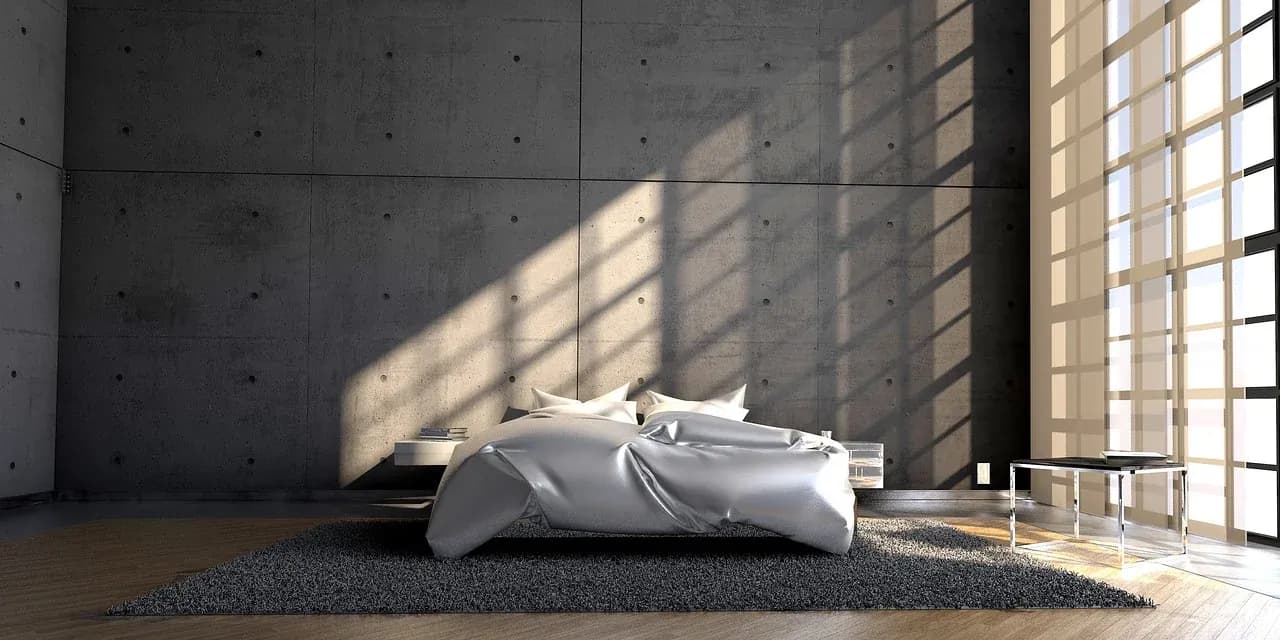
A dehumidifier’s headline extraction rate may have been measured in conditions unlike your room.

Room coverage is useful only when you know how it was measured.
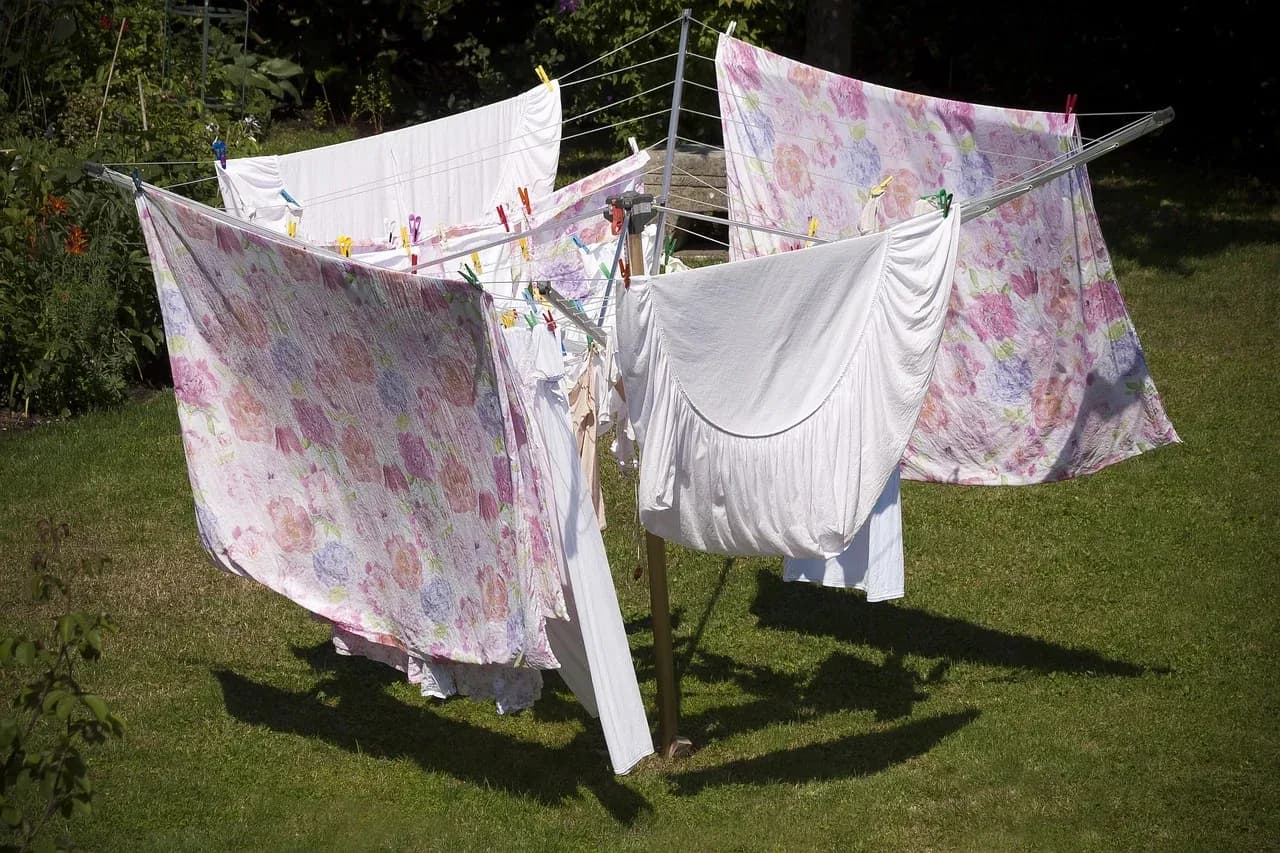
Drying clothes indoors adds moisture to the room.
A weighted blanket adds another layer and may feel warmer than expected.

Laundry mode can help manage moisture released by indoor drying.
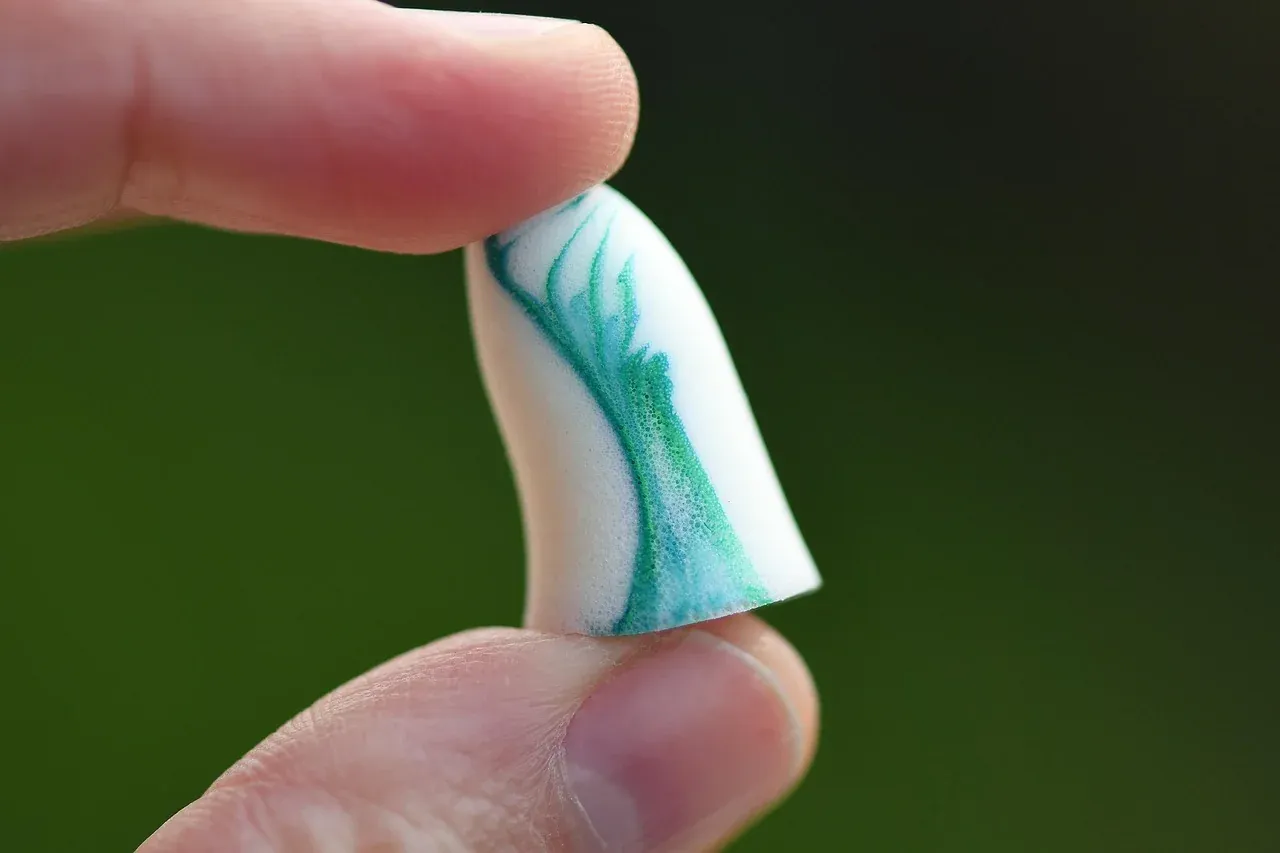
Foam earplugs work best when their size and fitting method suit your ears.
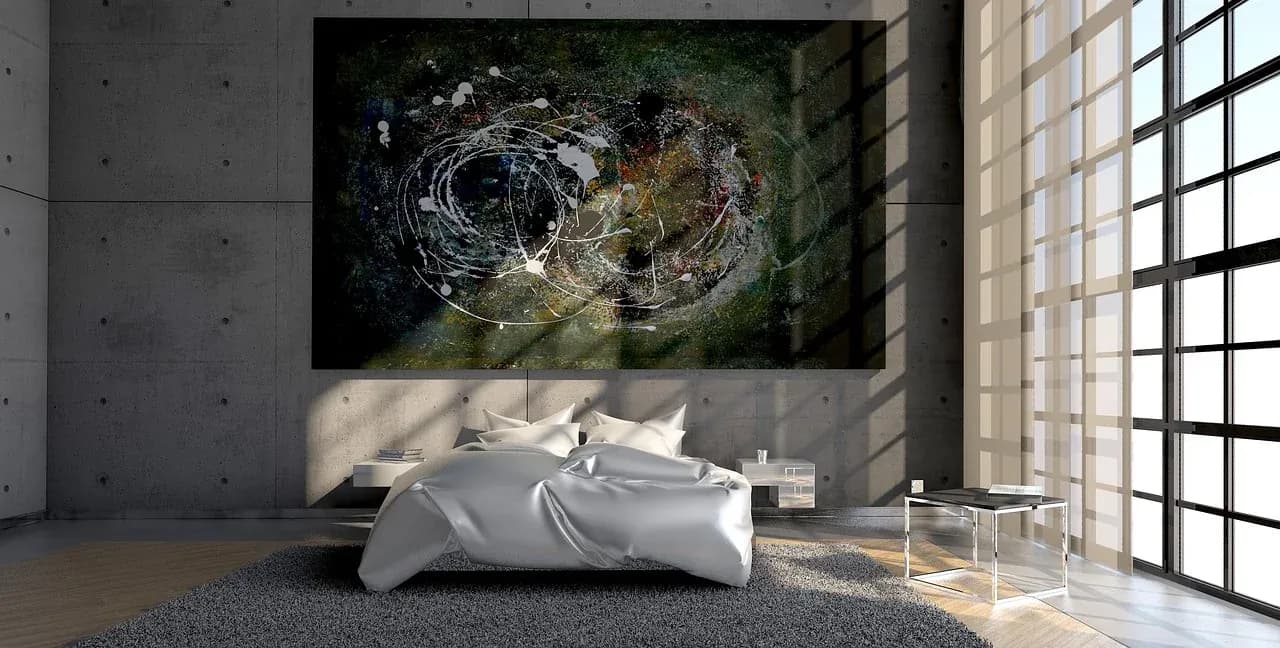
A filter grade describes one part of an air purifier.
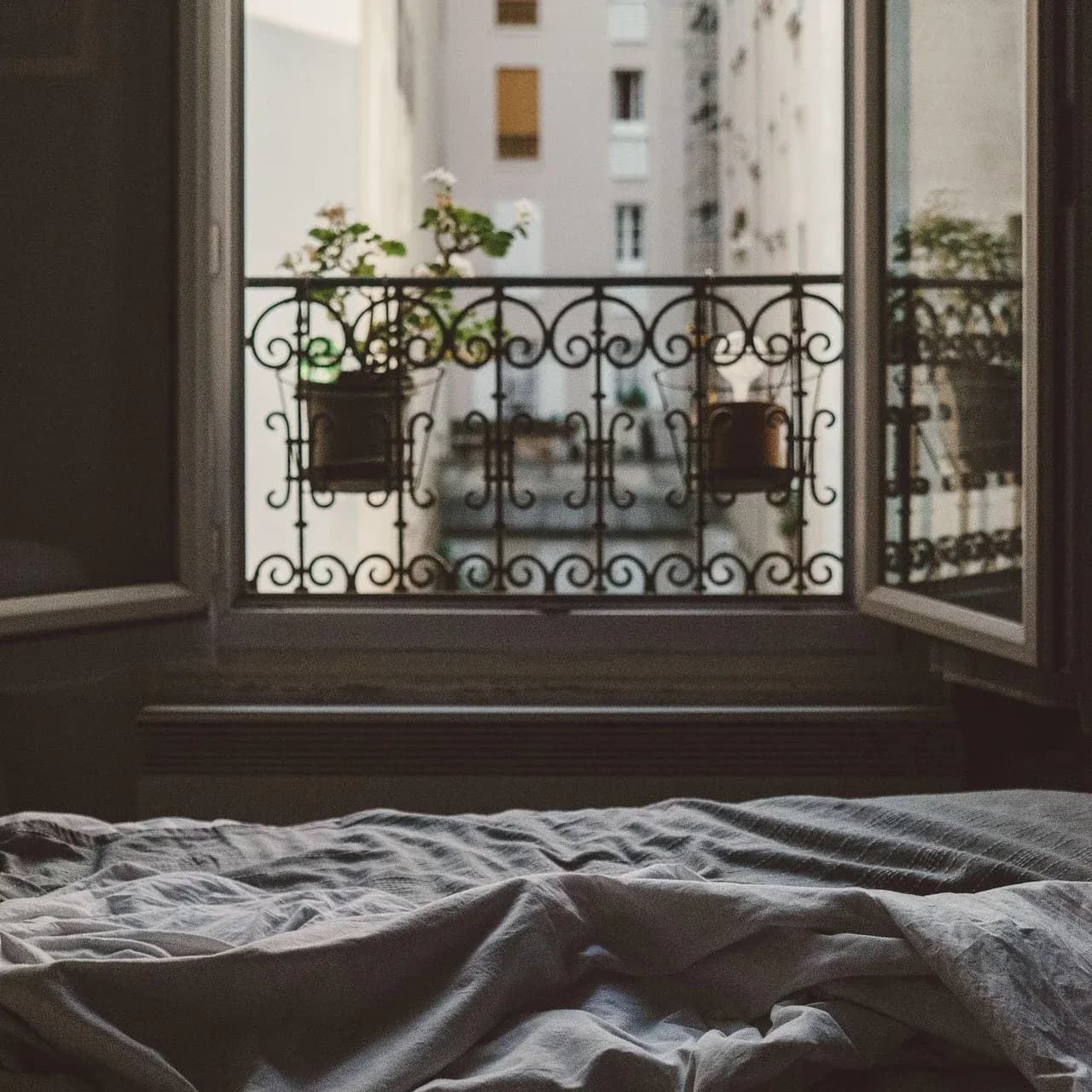
A useful dehumidifier position leaves room for airflow and safe access.

The purchase price tells only part of an air purifier’s cost.

A cool first touch is different from staying comfortable through the night.
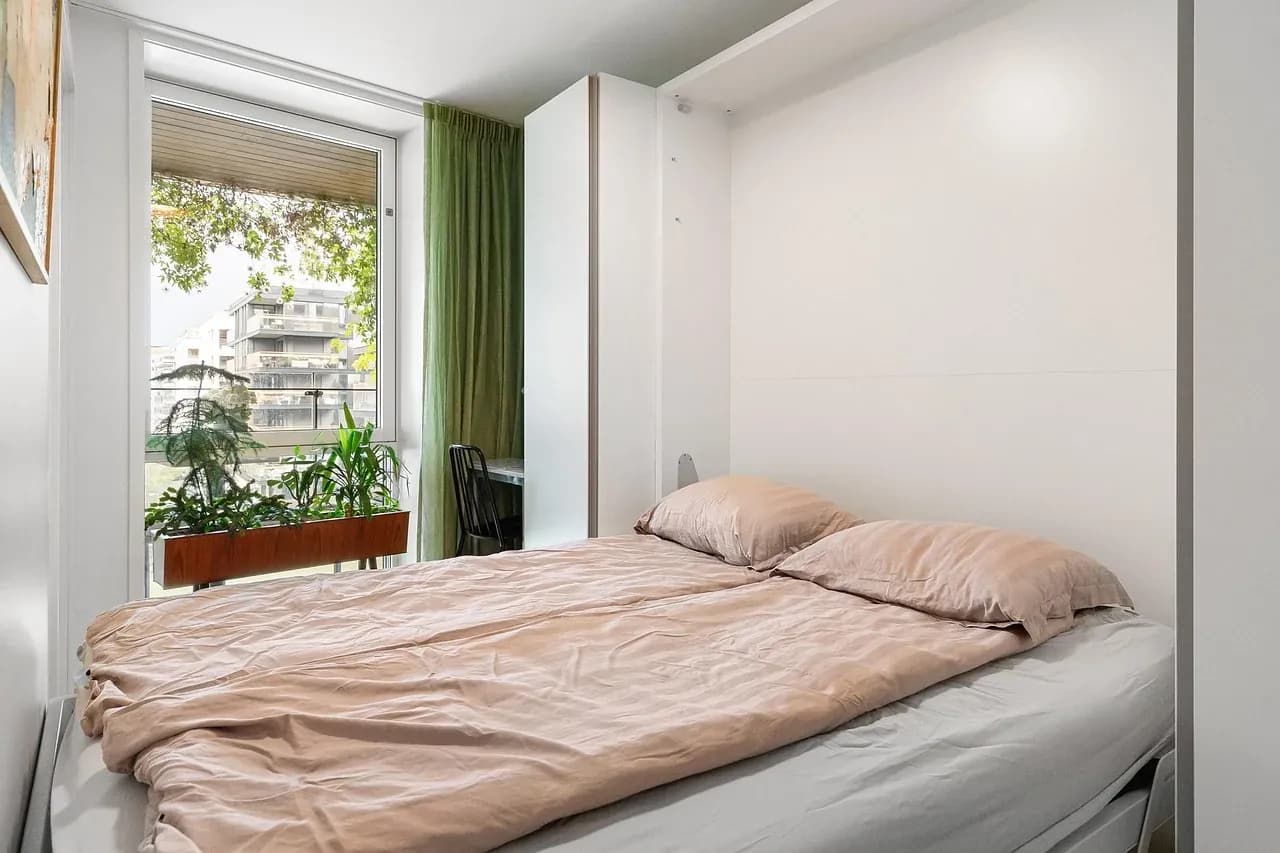
An air purifier needs clear intake and outlet paths, with noise you can tolerate where you sleep.

Contoured masks leave space around the eyes; flat designs usually sit closer to the face.
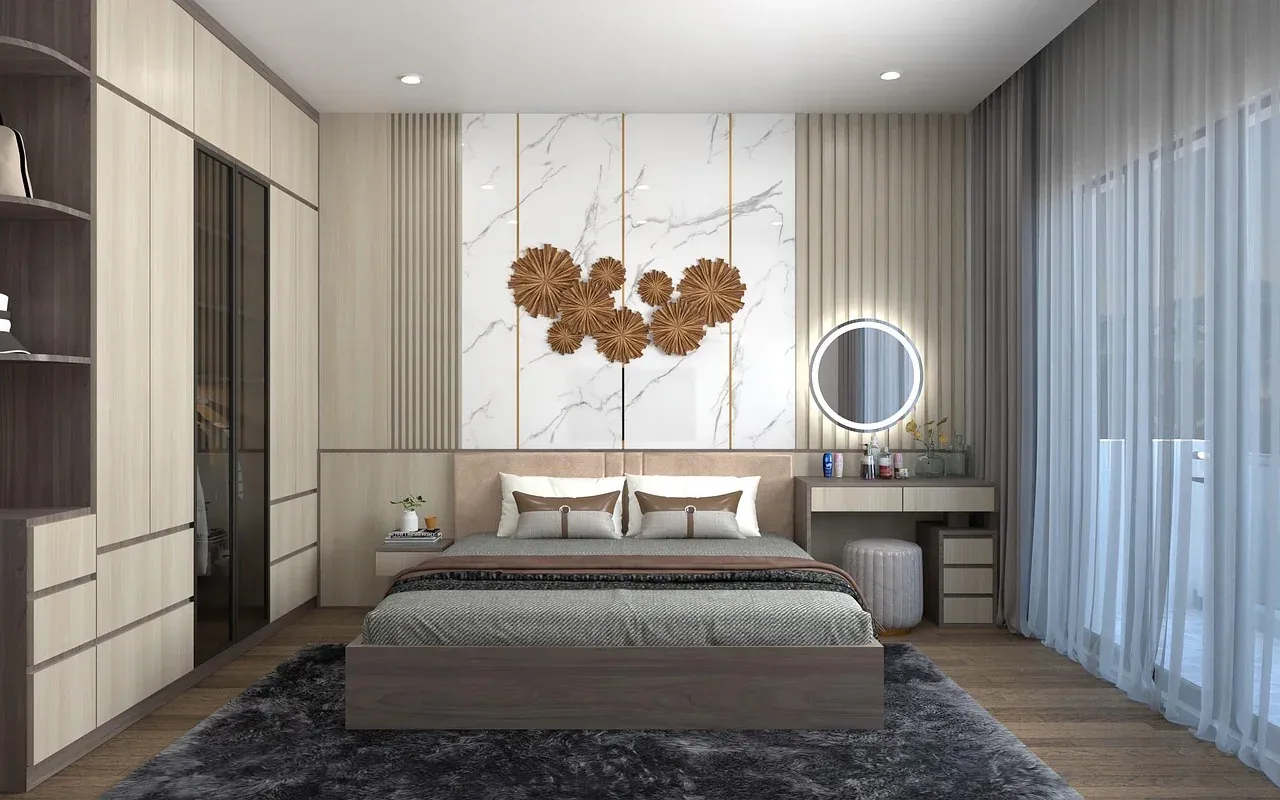
Humidifiers add moisture; dehumidifiers remove it.

SNR is a laboratory noise-reduction rating, not the reduction you are guaranteed in bed.
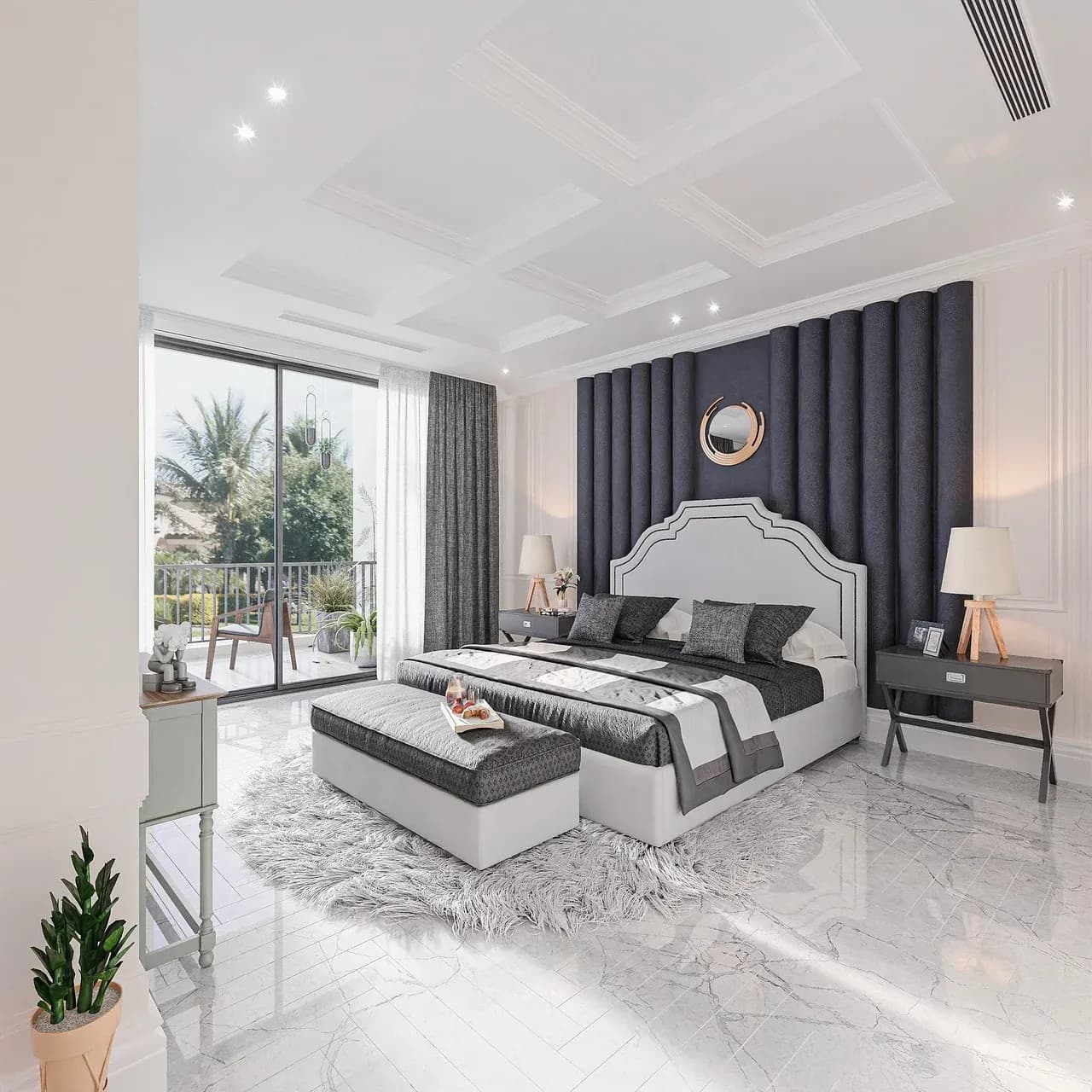
Foam and reusable silicone earplugs differ in fit, care and replacement needs.
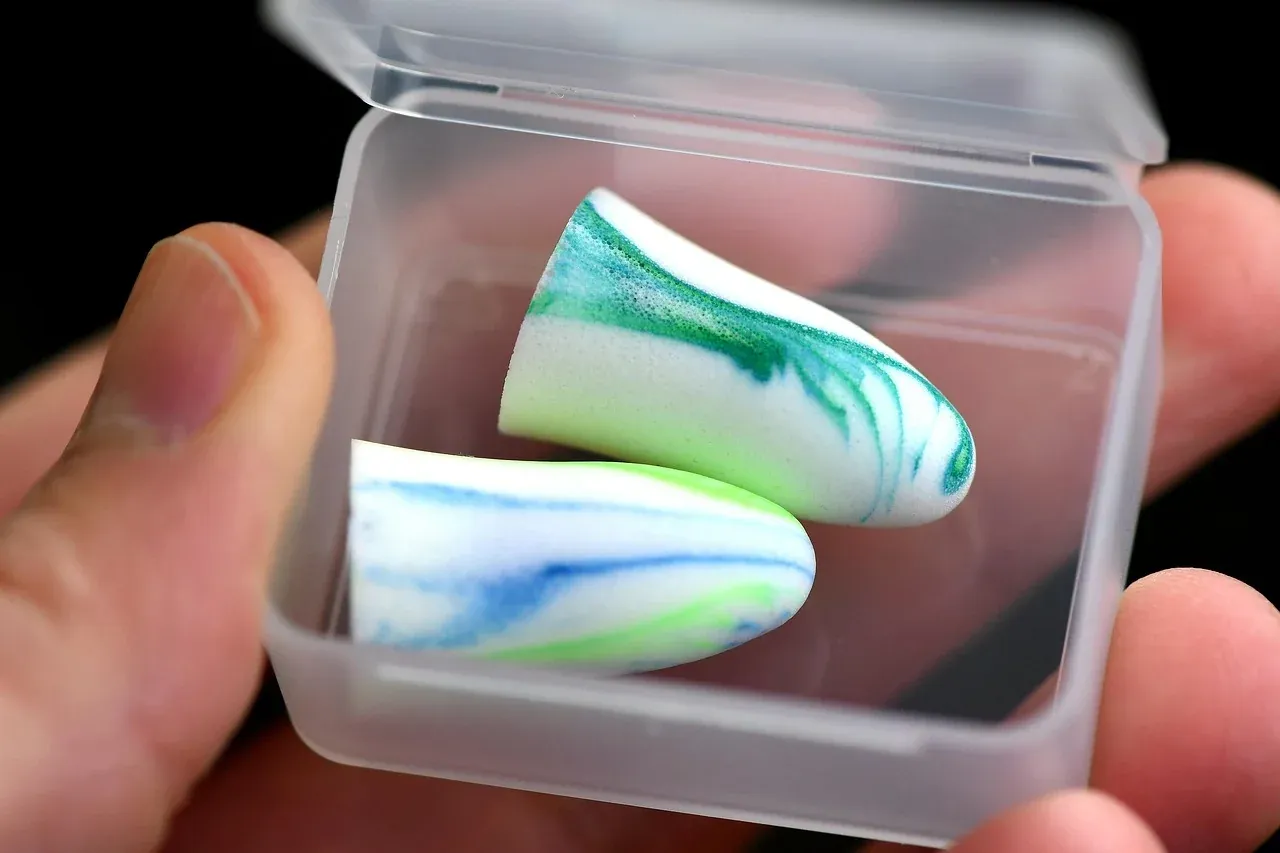
If an earplug creates pressure, a smaller size or different design may be worth considering.

Condensation is a clue to investigate, rather than a complete measure of humidity.
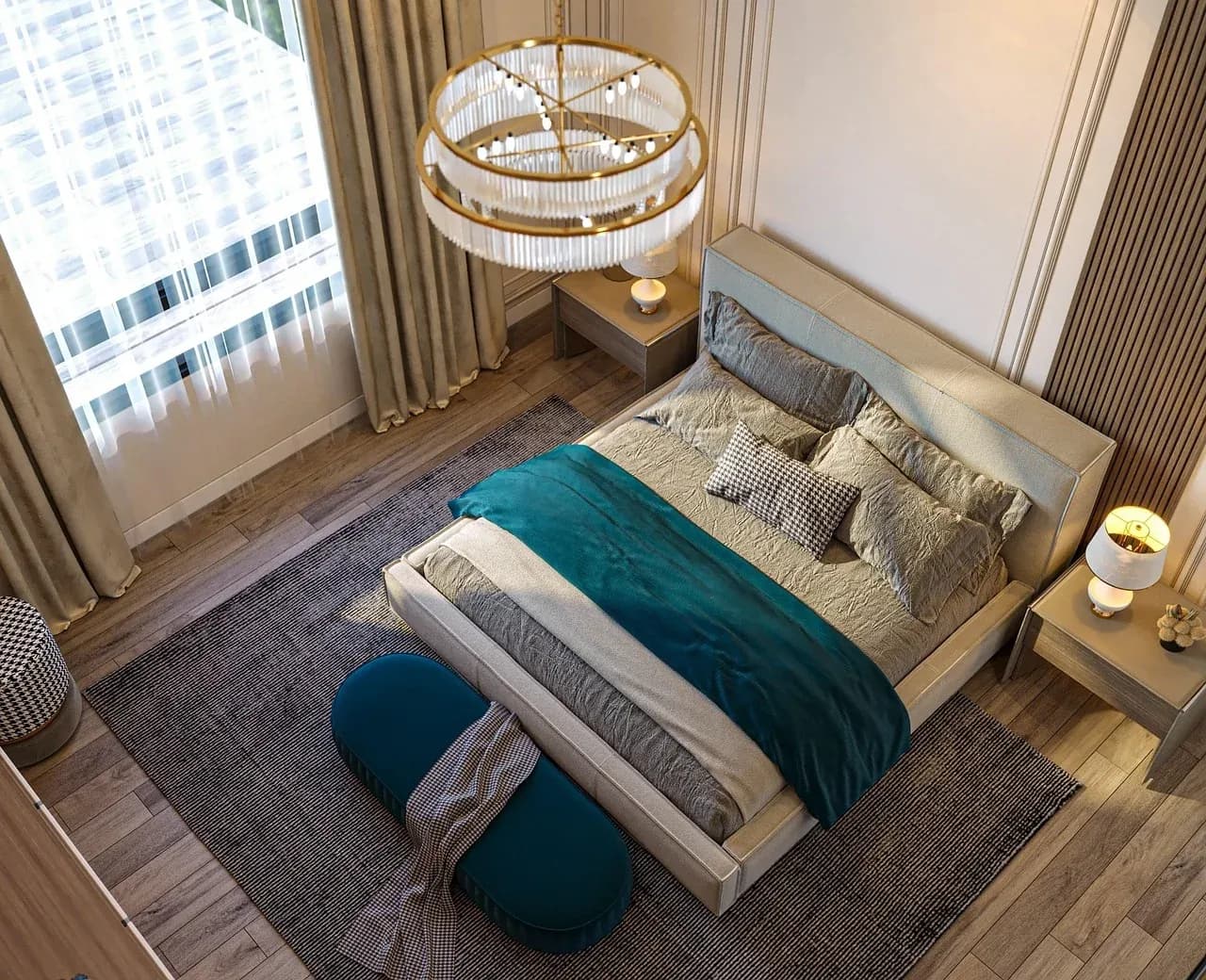
A blocked nose does not tell you whether a bedroom needs more or less moisture.
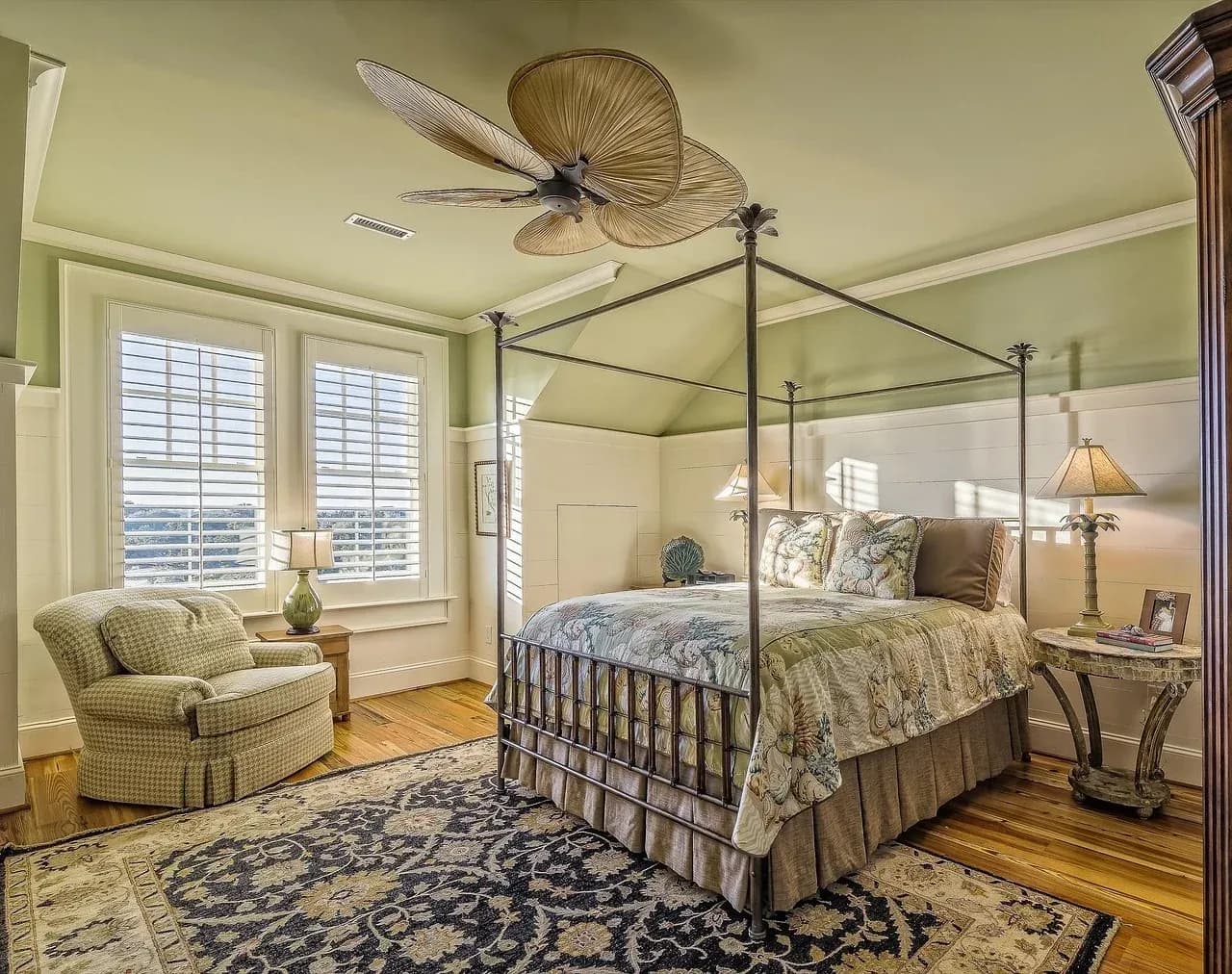
When a bed feels too warm, look at the layers and the room together.
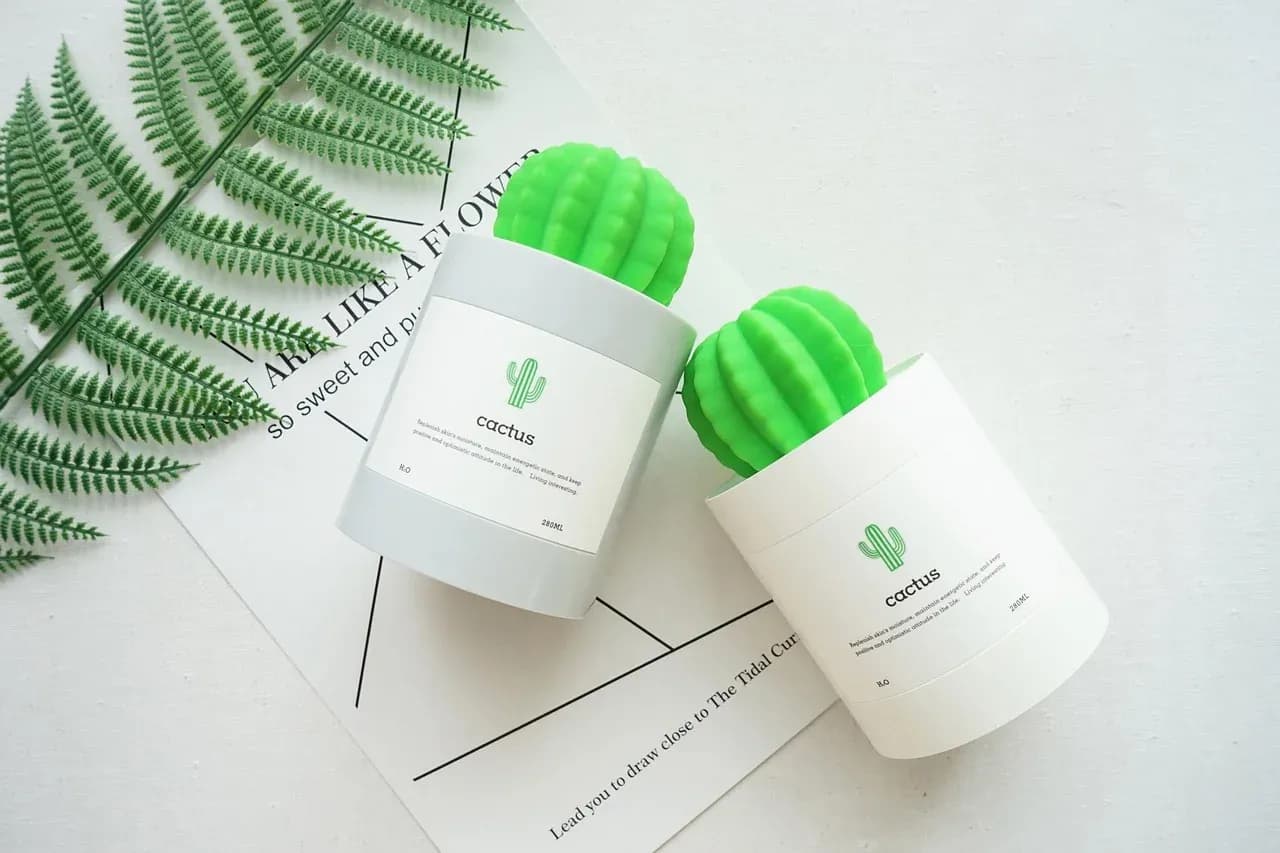
White dust near an ultrasonic humidifier can come from minerals carried out with the mist.
Room size is a useful starting point when choosing an air purifier.

A sleep mask is one way to reduce unwanted light when curtains are not enough.

The SNR figure helps compare products tested under standard conditions.