


Bamboo, lyocell, and sateen show up together on labels, which makes choosing tricky. Bamboo usually refers to viscose made from bamboo pulp. Lyocell is a different process, often branded as Tencel, that produces smooth, strong fibres. Sateen is not a fibre at all but a weave. This UK guide explains how each feels on the bed, how they handle heat and moisture, and what to choose if you want cool summer nights or a silkier winter set.
Breathable bases such as bed sheets that stay cool set the tone for the rest of the setup.
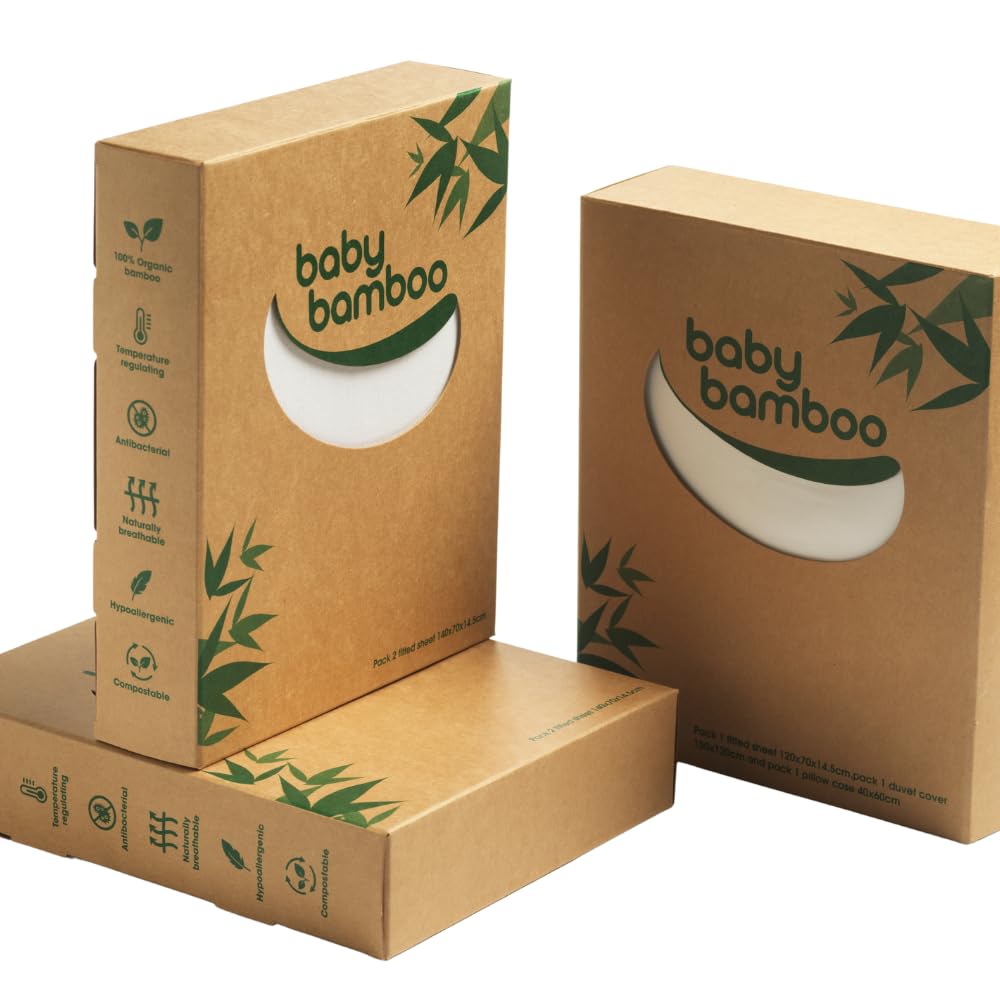
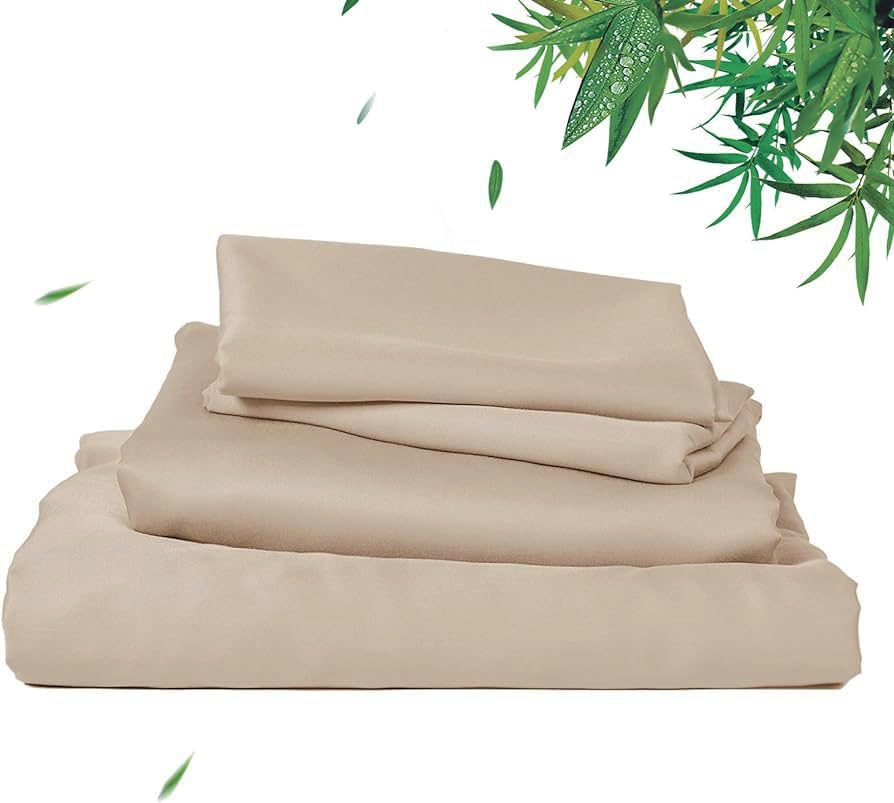
Bamboo viscose: soft and drapey
Viscose made from bamboo pulp feels soft and has a fluid drape. It wicks moisture well and can feel cooler than heavy cotton knits. Quality varies by mill and finishing. Look for clear fabric weights and honest care guidance. Bamboo viscose can feel clingy in very humid rooms, so pair it with a breathable duvet and good ventilation for the best experience.
Lyocell (Tencel): smooth and strong
Lyocell is a fibre made using a closed loop process, often with wood pulp from certified sources. It feels smooth and cool, with slightly less cling than some viscose fabrics. Many people find lyocell sheets stay comfortable across seasons because they manage moisture well and resist odours. They can be silky without sheen, which suits readers who dislike a glossy look.
Sateen: the weave that feels silky
Sateen is a cotton weave that floats yarns over several threads. It tends to feel smoother and a little warmer than percale. When a label says bamboo sateen or lyocell sateen, it is describing the structure of the fabric as well as the fibre. Sateen drapes beautifully and suits colder months if you prefer a silkier hand. If you run hot, choose percale or a lighter sateen with a sensible thread count.

Breathability and temperature
Lyocell and bamboo viscose both move moisture well. Lyocell often feels a touch cooler in sticky weather. Sateen cotton feels warmer than percale because of the weave. To keep any of these fabrics comfortable in summer, pair them with a lighter duvet tog and good airflow. In winter, sateen or lyocell’s smooth hand can feel cosy without needing very heavy quilts.
Care and longevity
Use mild detergent and avoid high heat in the wash and tumble. Line drying preserves drape and reduces pilling. Lyocell is usually stronger when wet than viscose, which helps it hold up over time. If a bamboo viscose set pills early, it likely used short fibres or heavy finishing. Choose brands that talk about fabric weight, certification, and testing so quality is not a lottery.
Which should you choose
Pick lyocell if you want smooth, cool sheets with reliable moisture management. Choose bamboo viscose if you like extra drape and a soft touch. Choose cotton sateen if you want a silkier feel in winter and you prefer natural cotton. If you run hot, keep a percale cotton set in rotation for heat waves and save sateen for spring and autumn.
Breathable lyocell, soft bamboo viscose and sensible‑count sateen feature in the best sheets for UK homes. Pair with a summer or all‑season duvet for year‑round comfort.
FAQs
Is bamboo cooler than cotton?
It can feel cooler due to moisture wicking and drape, but percale cotton also feels very cool. Room temperature and duvet weight make as much difference as fibre.
Does lyocell pill?
Less than many viscose fabrics, especially when washed gently. It tends to resist odours and stay smooth with good care.
Is sateen too warm for summer?
It can feel warm in hot, humid spells. Keep a percale set for those weeks and use sateen when the weather cools.
