


Side sleepers sometimes wake with sore outer ears or pressure where the pillow pushes against cartilage. The fix is not only a softer pillow. It is a mix of height, edge softness, and how you position your head on the pillow. This guide explains how to reduce ear pressure without losing neck support, which materials feel gentler, and small setup changes that make side sleeping more comfortable.
Neck comfort starts with pillows matched to sleep position and consistent loft.
Why ears hurt on the side
When you lie on your side, the outer ear presses into the pillow. If the surface is firm or the pillow is too high, pressure builds. Stacked pillows or high profiles can also tilt the head, which adds tension to the ear and jaw. Reducing ear pressure starts with the right height and a surface that has a little give around the ear while still supporting the neck.
Choose the right height
Measure the distance from your neck to the mattress with your shoulder relaxed. Your pillow should fill that gap so the head stays level with the spine. Too high or too low increases pressure points. Adjustable shredded foam pillows are useful because you can test a handful up or down until the ear and neck feel balanced.
Edge softness and head placement
Rest the side of your head near the pillow’s edge so your ear sits over the softer boundary rather than the firm centre. Some pillows have softer outer zones or gussets. Using the edge reduces direct pressure on cartilage. If your pillow is the same firmness across the surface, create a gentle hollow by removing a little fill under the ear area while keeping the neck area full.

Material feel
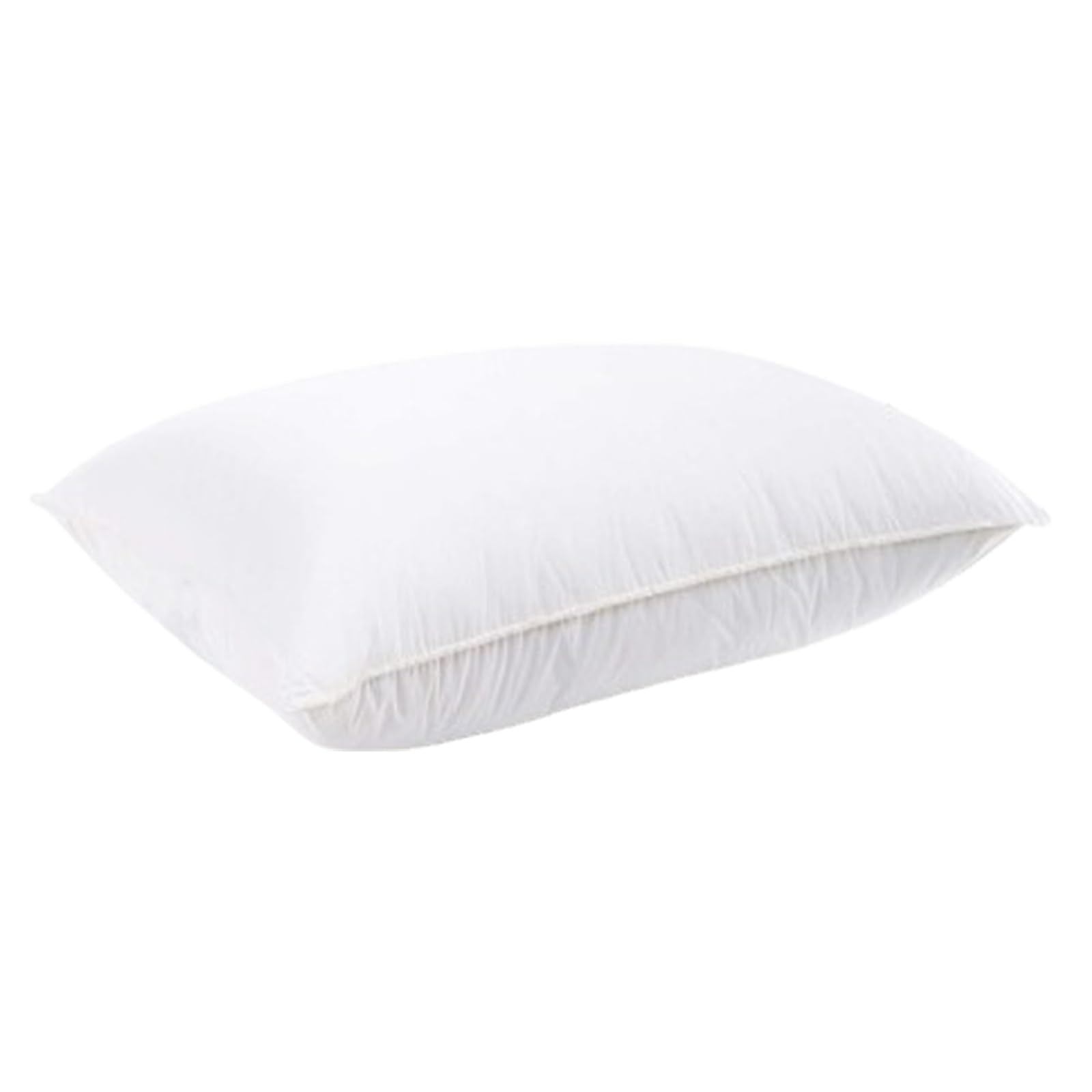
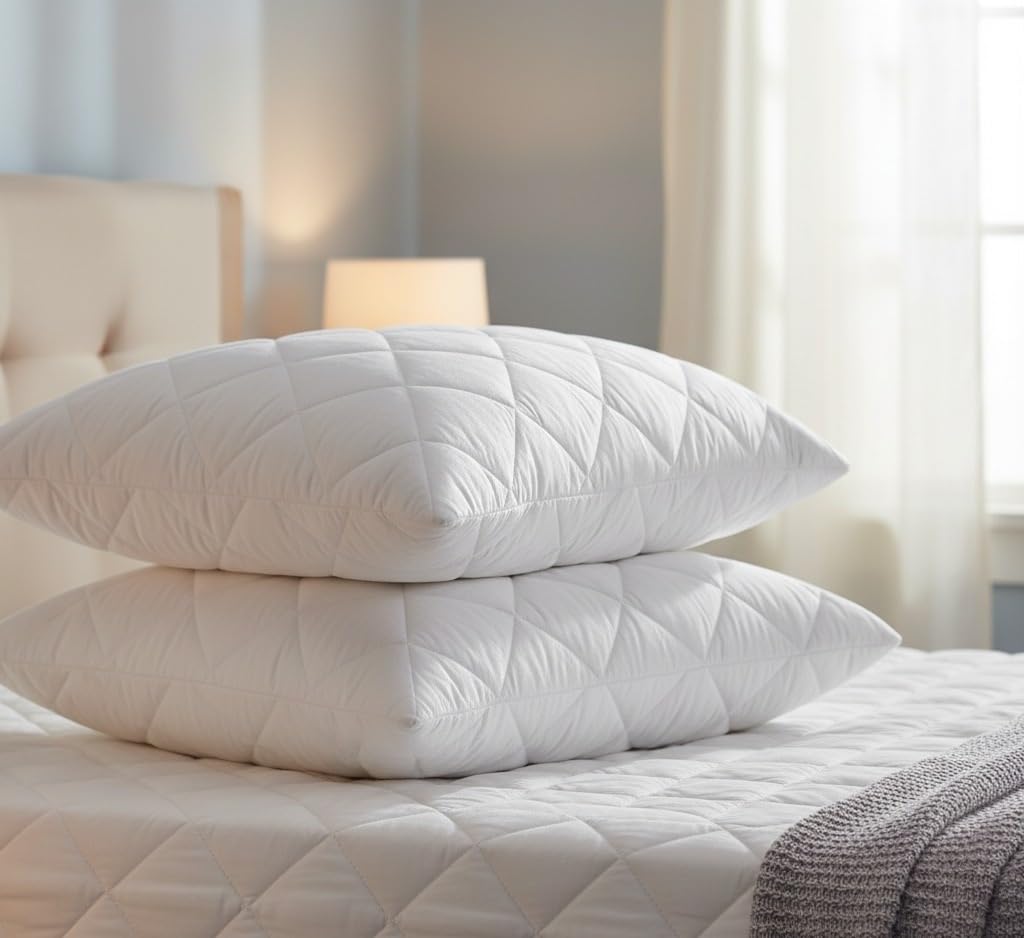
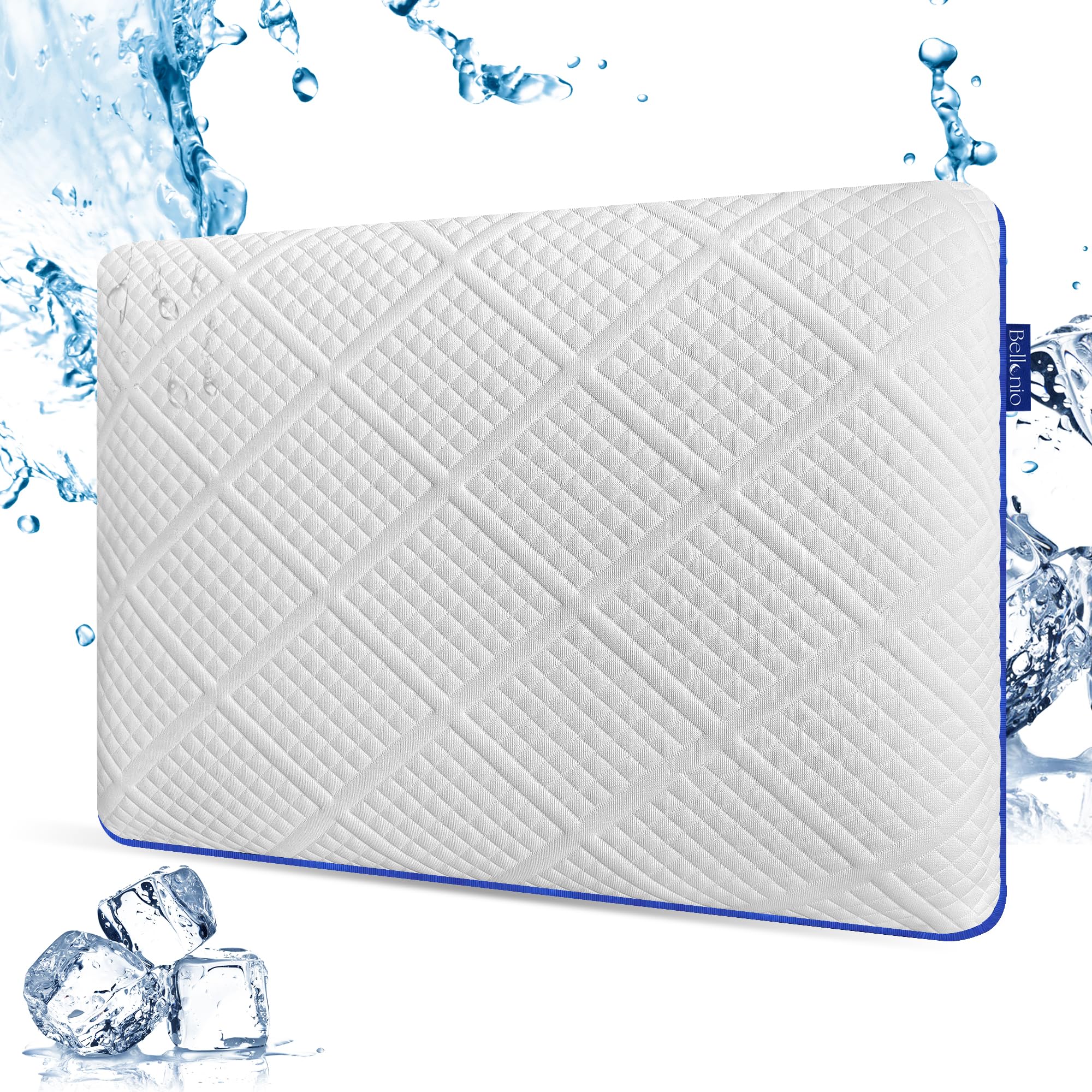
Shredded foam and fibre pillows compress locally around the ear. Solid foam can feel firm unless it has perforations or a softer top layer. Latex springs back quickly and can feel supportive with a touch more bounce. A soft cotton pillowcase reduces friction on the ear compared to coarse fabrics. If you wear a sleep mask, adjust the strap so it does not pull the ear forward.
Neck and shoulder alignment
Ear pain often improves when overall alignment is better. If your shoulder feels jammed under the pillow, your mattress may be too firm or the pillow too high. A topper that softens the shoulder zone allows the body to settle while the pillow handles neck support. Small changes in mattress feel can relieve ear and jaw pressure even with the same pillow.
We shortlist side sleeper pillows with adjustable loft and softer surfaces in our guide to pillows for side sleepers. If shoulder pressure is the issue, pair with a topper that eases the shoulder zone and smooth pillowcases that reduce friction.
FAQs
How do I stop ear pain at night?
Lower or adjust pillow loft so the head is level, use the pillow edge to reduce pressure on cartilage, and choose a surface with a little local give.
Is there a pillow with an ear hole?
Specialist pillows exist, but most people do fine with a standard adjustable pillow set lower and used near the edge so the ear sits over a softer area.
Will a softer pillow fix it?
Softness helps, but height and shoulder comfort matter as much. A soft, too high pillow can still cause pressure. Balance all three.
