


Pillow height that feels perfect on a shop display can feel wrong at home because mattress firmness changes the space your pillow needs to fill. Softer beds let your shoulder sink in, lowering the gap under your neck. Firmer beds hold you higher, increasing that gap. This UK guide shows how to match pillow loft to mattress firmness for side, back, and stomach sleepers so your neck stays neutral and comfortable.
Neck comfort starts with pillows matched to sleep position and consistent loft.
Side sleepers: let the shoulder settle
On soft mattresses, the shoulder sinks more, so you can use a lower loft pillow. On firm mattresses, you need a higher loft to keep the head level. Take a side photo while lying on your bed. The line from nose to sternum should be roughly horizontal. If your forehead tilts up, lower the pillow. If your chin tilts toward your shoulder, raise it. Adjustable shredded foam makes this easy. Add or remove a handful at a time until the photo looks neutral and your neck feels relaxed in the morning.
Back sleepers: avoid pushing the head forward
Firm mattresses hold your torso higher and can make a medium pillow feel too tall because the head is already raised. Choose a slightly lower loft on firm beds and a medium loft on soft beds. Your forehead and chin should be level or the forehead a touch higher. If your chin tucks, lower the pillow. If your mouth opens from a head tilt, raise it slightly.
Stomach sleepers: go as low as possible
Stomach sleepers already face neck rotation. On firm beds, use the thinnest pillow you can tolerate under the head and consider a thin pillow under the hips. On soft beds, a very low pillow still applies. The goal is to reduce neck extension and lower back arching.
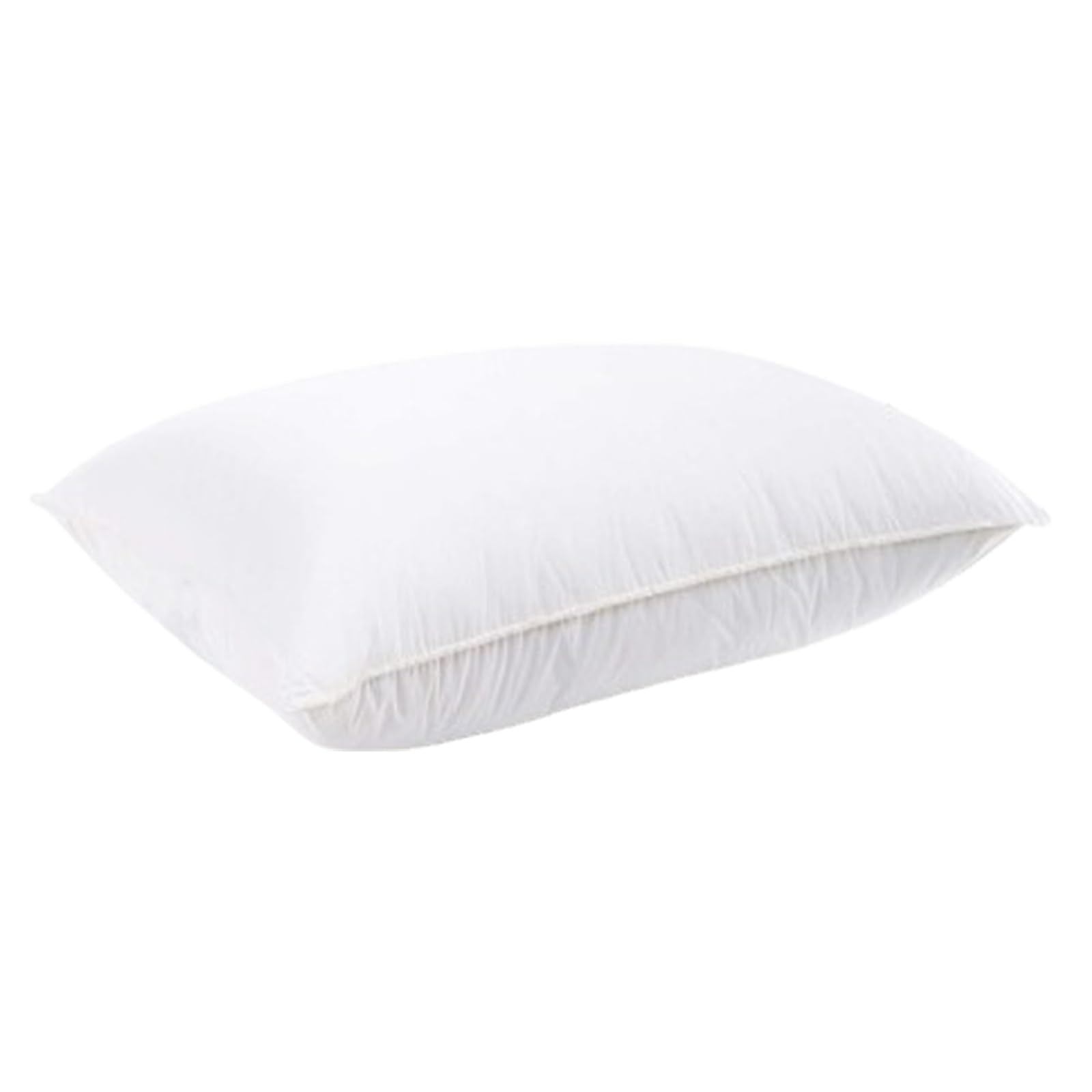
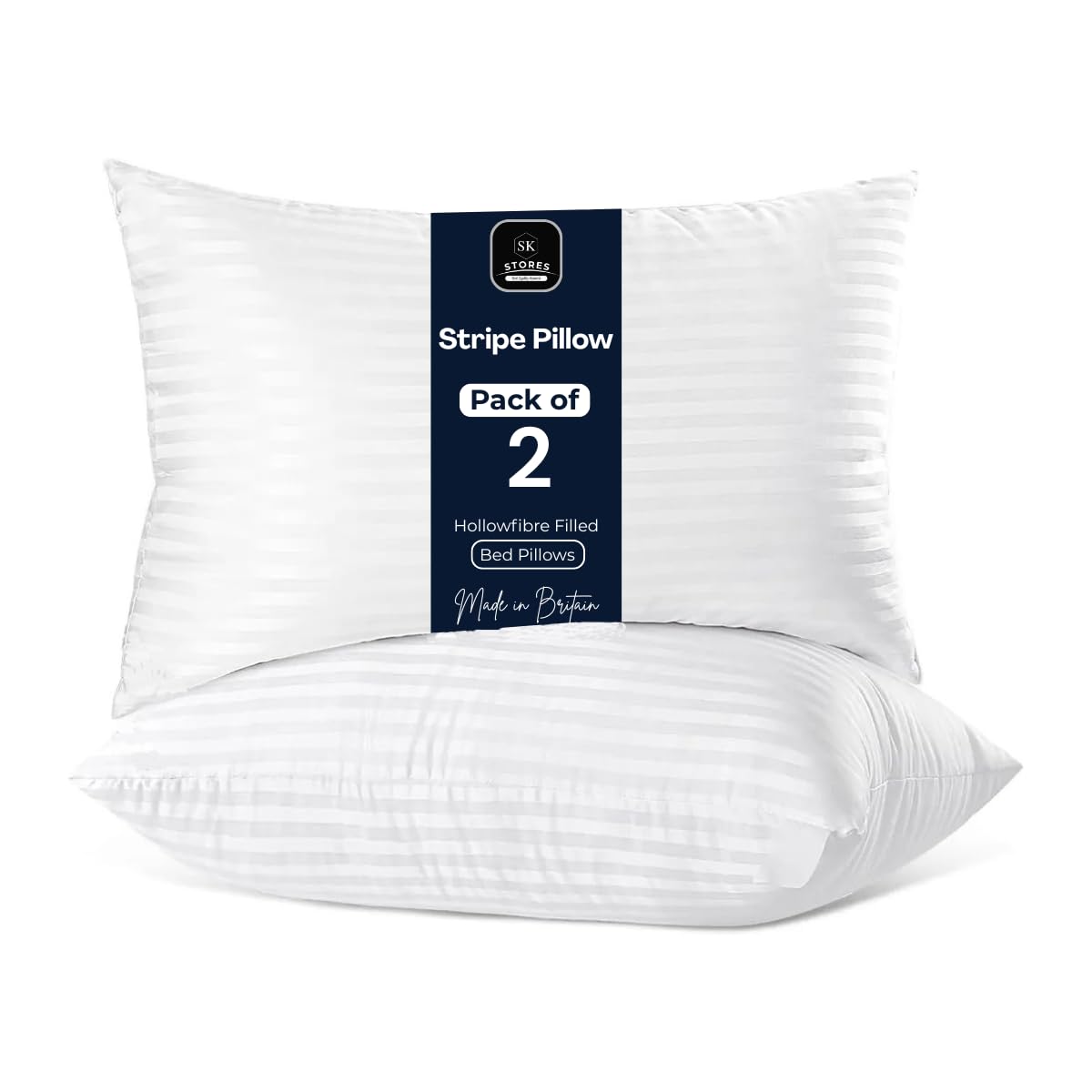

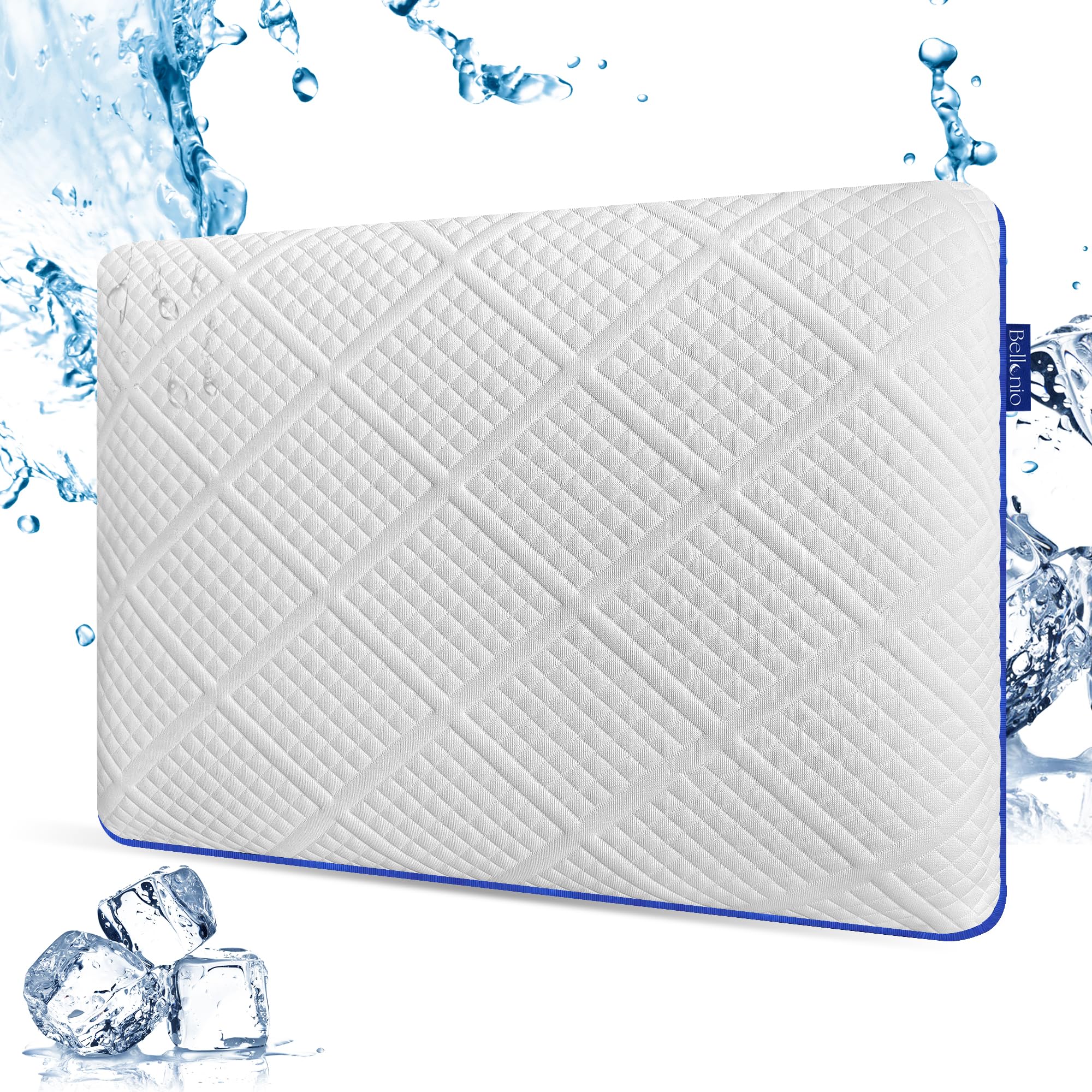


Mattress toppers change the equation
Adding a topper softens the surface and increases shoulder sink for side sleepers. Expect to lower pillow height after adding a topper. If you remove a topper, expect to raise pillow height. Small changes in surface firmness can mean a handful of fill either way for adjustable pillows.
Foam, latex, and fibre behave differently
Solid memory foam compresses under heat and pressure through the night and can feel lower by morning. Latex holds height more consistently. Fibre compresses quickly and then rebounds when fluffed. Account for these behaviours when setting initial loft. A memory foam pillow that feels perfect at bedtime may need starting slightly higher so it settles at the right height.
Adjust seasonally
Winter sleepwear and thicker duvets can subtly change neck angle. Recheck alignment when seasons change. A quick phone photo is an easy way to verify that your head is still level relative to your spine.
Adjustable and stable loft options appear in pillows matched to mattress firmness. When a bed is too firm at the shoulder, a supportive topper improves alignment; percale sheets help keep the bed cool.
FAQs
Why did my new pillow feel different at home?
Your mattress firmness changed the required loft. Adjust height at home where the pillow will be used.
Do I need different pillows for different beds?
Possibly. A guest bed with a firmer mattress may need a higher pillow than your softer main bed. Adjustable pillows simplify this.
How often should I recheck pillow height?
Any time you change mattress, add a topper, switch sleepwear weight, or if you wake with new neck stiffness.
