


If you are choosing a pillow to help with neck pain, memory foam and latex are the two materials you will encounter most often. Both can support the natural curve of your neck and both can reduce morning stiffness, yet they feel very different and behave differently through the night. This guide explains how each material supports your spine, how they handle heat and movement, how long they last, and who tends to sleep best on each. By the end you will know which one fits your body and your sleep habits.
Breathable bases such as bed sheets that stay cool set the tone for the rest of the setup.
How Each Material Supports Your Neck
Memory foam is designed to soften with body heat and pressure so it moulds closely to your head and neck. That deep contouring can reduce pressure points and hold your neck in a consistent position. Many people with persistent neck tension appreciate that steady support, especially when they sleep on their side or back. Latex behaves differently. It compresses and springs back quickly, creating buoyant lift rather than a slow sink. The result is a supported feeling that keeps your head more on top of the pillow rather than in it. Side and back sleepers who like to change position often often prefer latex because it makes turning easier while keeping alignment.
Shape Options and Loft Control
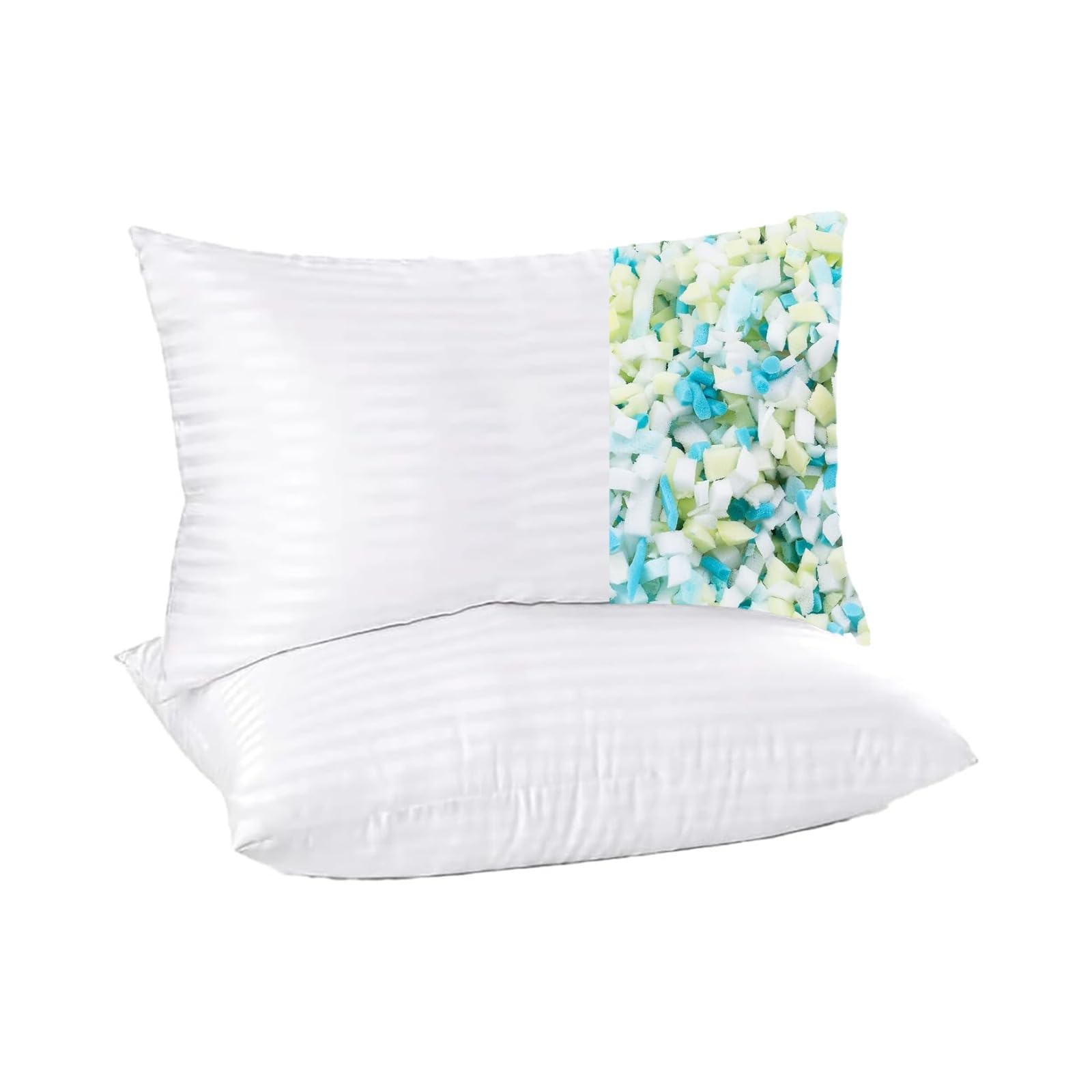
You will find solid one piece pillows and adjustable pillows in both families. A solid memory foam pillow can be flat or contoured, with a higher ridge that supports the neck and a lower centre for the head. Contour shapes help some people maintain alignment when they roll between side and back. Adjustable pillows filled with shredded memory foam let you remove or add material until the height matches your shoulder to mattress gap. Latex pillows are offered as solid blocks or as shredded fill in a zippered case. A solid latex block holds height very reliably for years. Shredded latex feels a little more mouldable and gives you the option to change loft at home. If you have struggled with pillow height in the past, an adjustable design is a safe place to start regardless of material.
Temperature and Breathability
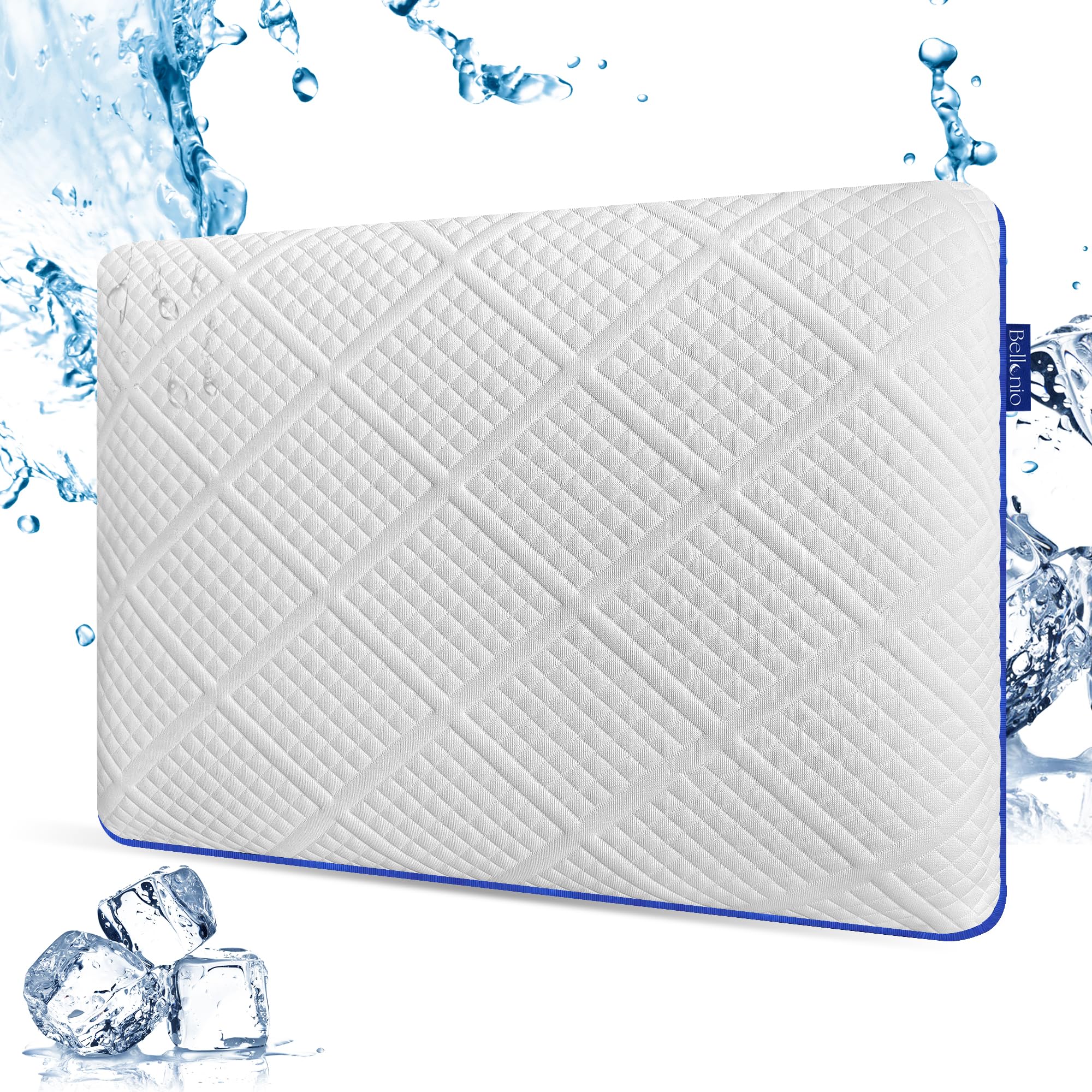
Some sleepers find memory foam runs warm because the material is dense and hugs the head and neck closely. There are ways to improve this. Look for ventilation channels, perforations and covers made from breathable fabrics such as cotton, bamboo or lyocell. Shredded memory foam breathes better than a solid block because air can move between pieces. Latex naturally sleeps cooler. It has an open cell structure that allows air to pass, and it does not trap heat to the same extent. If you are a hot sleeper or live in a warmer bedroom, latex gives you a small but noticeable advantage in temperature control. Pair either material with a breathable pillowcase and avoid piling on thick layers that can hold heat.
Movement and Ease of Turning
If you change position through the night, pay attention to how a pillow lets you move. Memory foam’s slow response can make turning feel more deliberate. Some people like that stable, cradled feeling because it stops them drifting into awkward positions. Others find it restrictive. Latex responds quickly and springs back as you move, so it feels easier to switch from side to back and back again. Combination sleepers who roll frequently often report better comfort on latex for this reason. If you rarely move and find the perfect spot and want to stay there, memory foam’s deep hug can be very satisfying.
Durability and Care
Latex is one of the most durable pillow materials. A good latex pillow can provide consistent height and support for several years. Memory foam also lasts well, especially higher density versions, but some models soften more over time. In both cases, a removable, washable cover extends life by protecting against oils and sweat. Avoid machine washing the core of either material. For memory foam, spot clean only and let it air dry completely. For latex, light wiping and airing is usually sufficient. Replace pillows when loft no longer matches your needs or when odours persist despite cleaning. Most people find two to three years is a realistic timeline, but check how you feel, not just the calendar.
Pain Relief in Practice
For many people with neck pain, the key is not only choosing a material, but getting the height right for the mattress and shoulder shape. A medium to high loft suits most side sleepers, while a medium height works for back sleepers. Stomach sleeping usually needs the lowest loft to avoid bending the neck backwards. On a soft mattress your shoulder sinks in more, which means your pillow can be a little lower. On a firm mattress you need a taller pillow so your neck stays level. Memory foam can be excellent if you want close pressure relief under the jaw and side of the head. Latex can be excellent if you want to keep the neck supported while allowing easy turning and a cooler feel.
Which One Should You Choose
Choose memory foam if you prefer a gentle, moulded cradle that reduces pressure points and you tend to stay in one position for long stretches. It is a strong match for side sleepers who want a consistent height and for back sleepers who enjoy a contour shape. Choose latex if you like a responsive lift that keeps you aligned while making movement simple and you are sensitive to heat. It is a strong match for side and back sleepers who roll and for anyone who wants a cooler pillow surface. If you are undecided, try an adjustable shredded pillow in each material. Fine tune the loft and note how you feel after a week on each. Your neck and shoulders will tell you which is right.
Breathable latex and supportive foams by sleep position are grouped in pillows for UK readers; cooler nights often pair with percale sheets.
FAQs
Is one better for neck pain? Both can help when height matches your body and mattress. Memory foam hugs more, latex lifts more. Choose based on feel and movement needs.
Which sleeps cooler? Latex generally feels cooler due to its open cell structure and faster response. Memory foam can be improved with ventilation and breathable covers.
Should I get a contour shape? If you sleep between side and back, a contour can guide your neck into a comfortable curve. If you only sleep on your side, a flat top with the right height can be just as supportive.
